Get Full Government Meeting Transcripts, Videos, & Alerts Forever!
Get email alerts on the Infrastructure Sewer topic
No spam. Unsubscribe anytime.
Philomath set to receive $2.65M state grant to extend sewer, unlock north-side development
Summary
Mayor Christopher McMoran told the committee the city is on track to receive $2,650,000 from the state to build a sewer line up North 19th Street to Industrial Way, removing an estimated $3 million infrastructure barrier and enabling future housing and industrial development in the northern area.
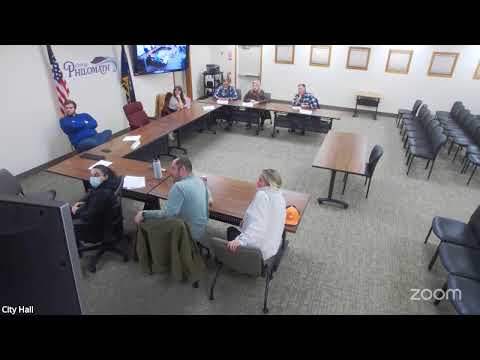
Philomath’s Housing & Economic Development Committee heard March 10 that the city is on track to receive $2,650,000 in state funding to build a new sewer line along North 19th Street to Industrial Way, a project staff said will unlock development on the city’s north side.
Mayor Christopher McMoran reported the award and said the new line would address capacity constraints that have prevented additional growth. “The city is on track to get $2,650,000 from the state to help construct a new sewer line of North 19th Street onto Industrial Way,” McMoran said. Staff explained the existing pump station’s service limit and said much of the northern area currently cannot connect without a costly, roughly $3,000,000 pipeline extension that would not pencil for small developments.
Why it matters: with the grant the city will not need to form a local improvement or reimbursement district to spread the cost across future homeowners; system development charges (SDCs) will still apply for individual connections, but the upfront capital barrier is removed. Staff described the project as gravity‑fed and within the existing sewer system routing to the pump station, which they said should have capacity for the additional flow once the line is built.
Officials noted timing: the legislature authorized the funding and the mayor said the city expects to receive the money next year as part of the state funding cycle. Funding execution still requires final administrative steps, but staff said the grant would allow several ready‑to‑develop northern properties (already inside city limits) to connect and proceed without a prohibitive per‑development infrastructure bill.
Next steps and impacts: engineering work, construction scheduling and coordination with developers will follow. Staff and the mayor said the project will make new housing and industrial sites feasible and will likely reduce per‑unit infrastructure costs for future builders. The committee acknowledged the planning benefit and thanked the mayor and staff for pursuing the funding.
The meeting adjourned after the discussion.