Get Full Government Meeting Transcripts, Videos, & Alerts Forever!
Get email alerts on the Audit topic
No spam. Unsubscribe anytime.
Auditor gives Swansea an unmodified ("clean") opinion, flags reserve-policy tension with village code
Summary
The village auditor told trustees the municipality received an unmodified (clean) audit opinion, with roughly $7.5 million in general‑fund cash and investments and an estimated 8–9 months of operating reserves; trustees asked staff to review a local code limiting reserves to four months.
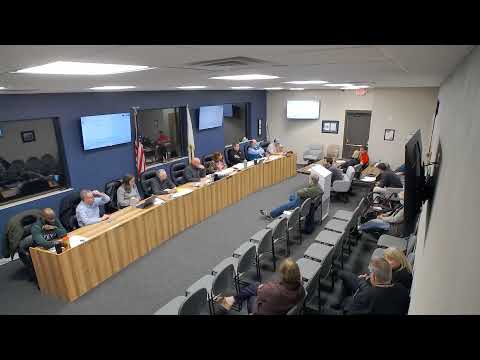
The village auditor told the Swansea Board of Trustees that this year’s financial statements warranted an unmodified—commonly called “clean”—opinion. “In our opinion, your issue is called an unmodified opinion… which… we refer to on our industry as a clean opinion,” the auditor said, summarizing the audit and thanking staff for extensive document support.
He said the general fund held roughly $7.5 million in cash and investments, an increase from the prior year, and estimated that represented about eight to nine months of operating expenses if revenues stopped. The auditor also highlighted positive investment returns, noted that expenditures have generally risen due to union contracts and new personnel, and reported pension-fund improvements: the fire pension was about 95% funded and the police pension about 74.24% funded.
Trustees pressed the auditor about a potential conflict between that level of reserves and a village code provision that the board described as limiting reserves to a maximum of four months. The auditor said he was aware of the local policy but characterized a statutory maximum as unusual and explained that auditors typically contact legal counsel if a code or statute might create a reportable issue. “As a part of the audit, we do always contact…the attorneys to see if they’re aware of any violation,” he said, and reiterated that formal disclosures would follow legal counsel’s advice.
Mayor and trustees asked staff to return at the next meeting with recommendations and background so the board could decide whether to keep, revise or explain the ordinance that sets a maximum reserve. No formal change to policy was made at the meeting; trustees agreed to continue the discussion at a future session.