Get Full Government Meeting Transcripts, Videos, & Alerts Forever!
Get email alerts on the Parole Supervision topic
No spam. Unsubscribe anytime.
Senate Rules Committee advances Brian Bishop to full Senate after questioning on parole supervision
Summary
The Senate Rules Committee voted 5–0 to forward Brian Bishop’s nomination to lead the Division of Adult Parole Operations to the full Senate after questioning on data-driven supervision, GPS monitoring, victim protections and efforts to house people on parole.
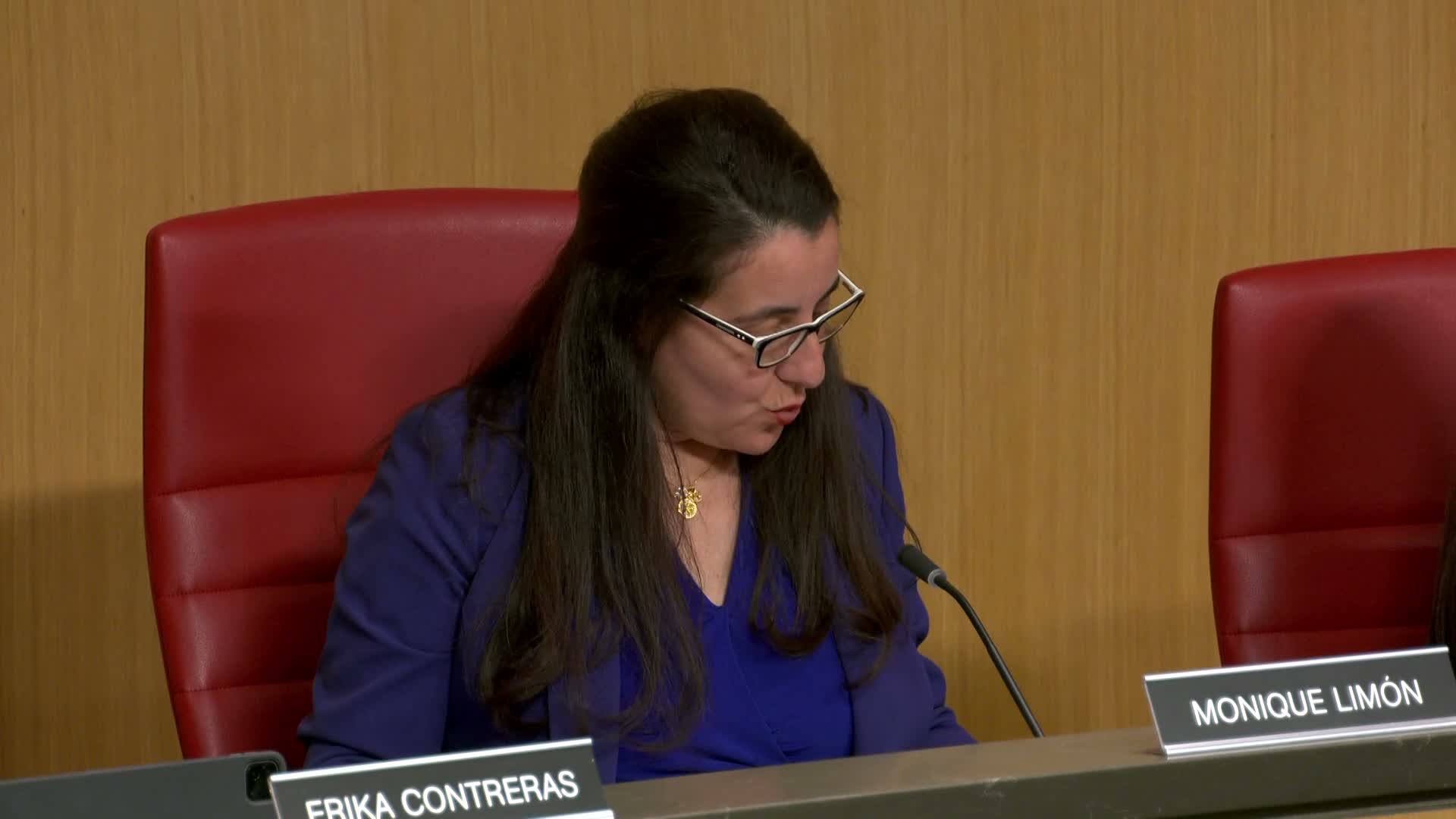
The Senate Rules Committee on Monday voted to send Brian Bishop’s nomination to the full Senate for confirmation after an hour of questioning about parole supervision, victim protections and reentry supports.
Bishop, nominated to serve as director of the Division of Adult Parole Operations, told the committee he intends to run a data-driven supervision program that balances public safety and rehabilitation. He described GPS monitoring, risk-assessment tools and coordination with behavioral health clinicians as core elements of heightened supervision for people assessed at higher risk.
The exchange focused on how the division identifies and manages the highest-risk parolees. Vice Chair Grove asked for specifics on the data-driven processes and whether the department uses GPS, unannounced visits or frequent testing. Bishop replied that DAPO uses risk-assessment tools, GPS enhanced-supervision models and behavioral-health staff to inform fluid supervision levels. “We use systems that help track their location. Obviously, GPS monitoring is a very—our enhanced supervision model,” Bishop said.
Bishop also described recent enforcement activity: “Since September, we’ve done nine major community compliance sweeps from San Bernardino County all the way up to Shasta County. Those nine sweeps produced 218 contacts, 124 total arrests and 20 recovered firearms,” he said, citing the sweeps as examples of coordination with local law enforcement.
Senator Laird probed discretionary decisions, asking how DAPO distinguishes between discretionary choices and actions required by statute. Bishop said much of parole supervision is rooted in the Penal Code, and where discretion exists DAPO evaluates decisions first “through the lens of the community” and victim awareness. He cited Penal Code section 3003 as providing the department authority to seek out‑of‑county placement to protect victims when necessary.
Lawmakers also pressed Bishop on supervising people who are unhoused. Bishop acknowledged the difficulty of conducting home visits when someone has no permanent address and said DAPO performs outreach, uses pattern‑of‑life analysis for GPS cases and partners with community providers and DRP (Department of Rehabilitation Programs) to seek housing and services.
Ryan Souza, representing a coalition of reentry providers including Amity Foundation, HealthRight 360 and WestCare Foundation, told the committee the groups support Bishop and look forward to continued collaboration.
Vice Chair Grove moved to forward the appointment to the full Senate. The roll call recorded five aye votes, and the committee approved moving the nomination to the Senate floor for confirmation.
The nomination now proceeds to the full California State Senate for a confirmation vote.