Get Full Government Meeting Transcripts, Videos, & Alerts Forever!
Get email alerts on the Differentiated Assistance topic
No spam. Unsubscribe anytime.
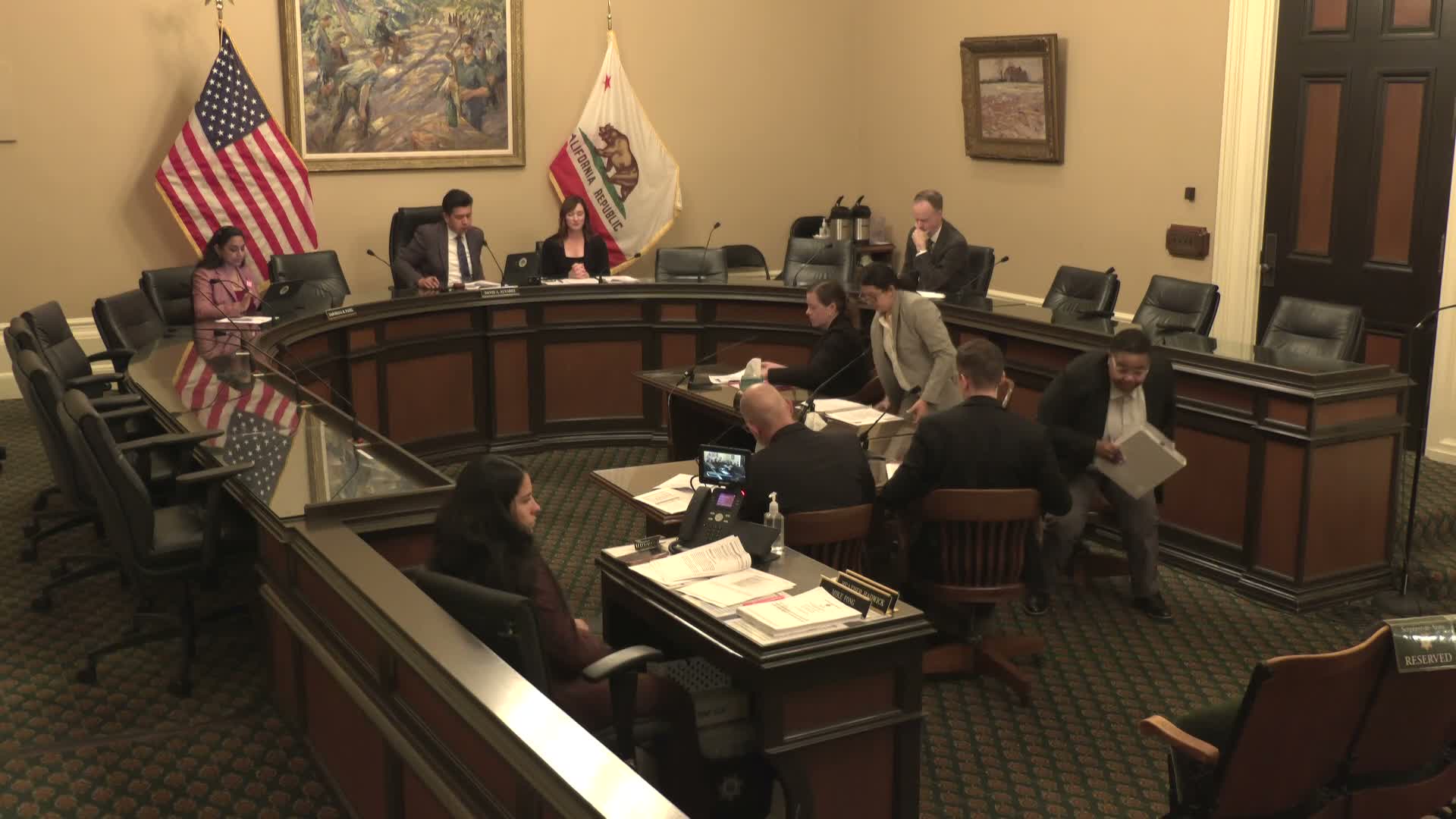
Panel weighs plan to shift differentiated assistance to three‑year cycle and broaden State Board authority
Summary
The governor’s budget would reallocate differentiated assistance into universal and targeted assistance with a three‑year support cycle and give the State Board more authority to set performance criteria; proponents say it reduces churn and stabilizes county funding, while the LAO and some legislators warned the Board should not obtain open‑ended authority before criteria are set.
Legislators pressed state education officials over a proposal to change how the state identifies and funds districts needing differentiated assistance and technical support.
Stephanie Gregson of the California Collaborative for Educational Excellence described the statewide system of support as layered (universal, targeted/supplemental, intensive) and said the proposed approach would better coordinate technical assistance across county offices and other partners. “Deep systems change work requires focus, intention and time,” Gregson said, urging coordinated pathways of support rather than siloed requests to districts.
George Harris of the Department of Finance summarized the governor’s funding and methodology changes: a transition to a three‑year cycle of support aligned with LCAP planning, a $500,000 base grant per county office with ADA‑based additional funding, hold‑harmless protections and a total of $131.9 million proposed for universal and targeted assistance in the budget year. Harris said the intent is to provide more stable funding for county offices and ensure access to universal resources across counties.
The Legislative Analyst’s Office cautioned against approving funding and language before the State Board finalizes updated performance criteria (statutory deadline July 15, 2026). “Without details about who would be identified under the updated criteria, we can’t assess whether the formula provides a reasonable amount,” Sarah Cortez (LAO) said, recommending the Legislature revisit funding once the Board sets criteria.
Lawmakers repeatedly asked whether a three‑year identification window would prevent districts with newly emerging subgroup needs from entering assistance midcycle. Katie Hardeman of the State Board said the Board is considering multi‑year approaches (for example, 2 of 3 years) and emphasized intent to retain a focus on student subgroups while gaining flexibility. Committee members said they are concerned that broad trailer‑bill authority could let a future board alter subgroup protections without legislative input.
The committee held the item open and directed staff to return with clearer definitions of eligibility, analyses of geographic and subgroup impacts, and safeguards to preserve equity focus if the State Board is given new authority.