Get Full Government Meeting Transcripts, Videos, & Alerts Forever!
Get email alerts on the Vacant Positions topic
No spam. Unsubscribe anytime.
Lawmakers press Department of Finance on plan to eliminate thousands of vacant positions; concerns raised about CDFW and State Parks impacts
Summary
Legislators, the LAO and department officials debated a budget resiliency exercise that proposes sweeping thousands of vacant state positions. Members warned that cuts to Department of Fish and Wildlife and State Parks could slow permitting, weaken enforcement and defer maintenance; LAO recommended selective retention of special‑fund positions.
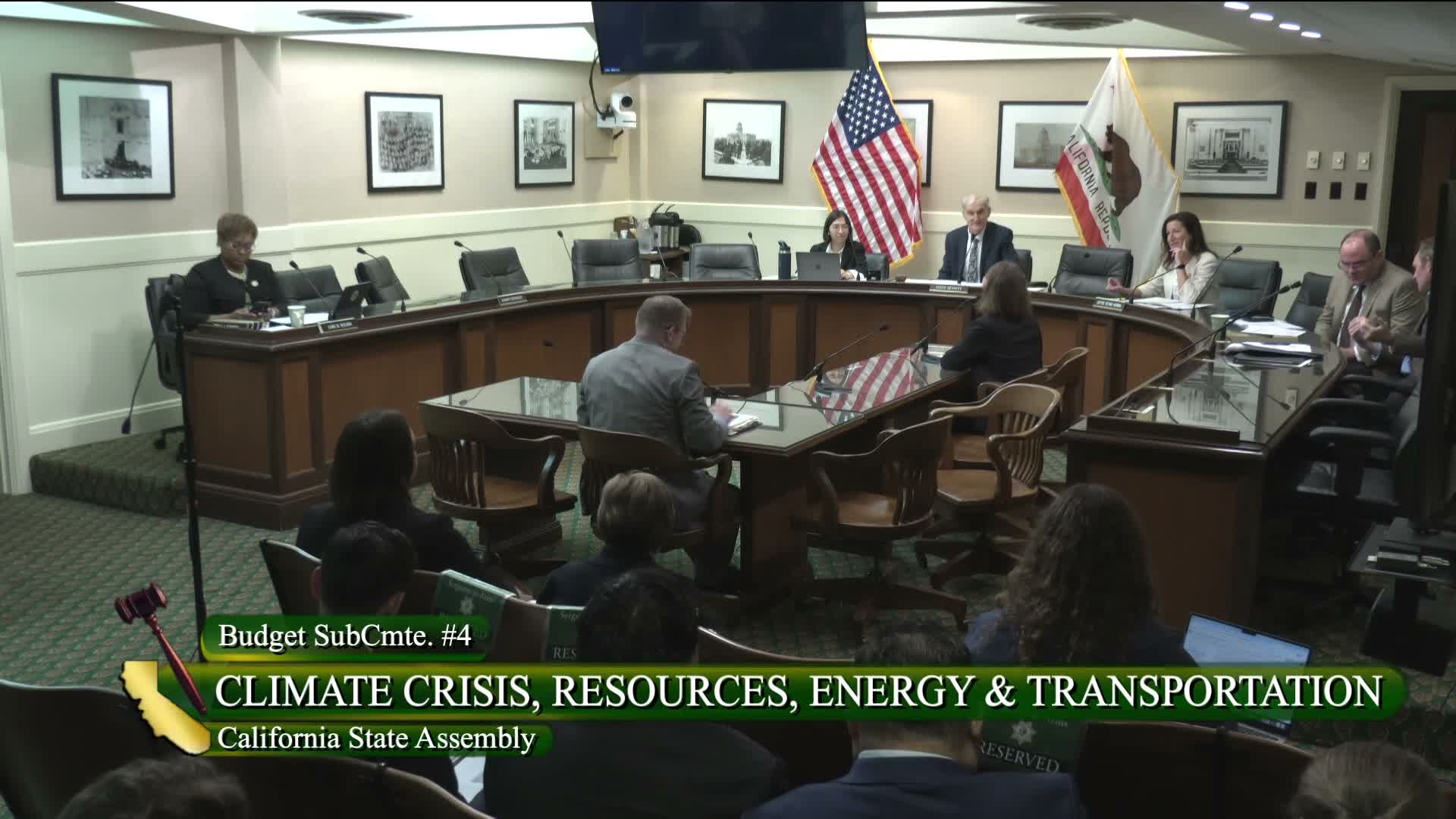
Legislators and budget staff sparred over a proposal to eliminate vacant positions across state departments during an Assembly budget subcommittee hearing.
Sonia Pedic of the Legislative Analyst's Office walked members through the vacancy elimination exercise, saying that the governor initially proposed eliminating about 6,000 vacant positions, the enacted 2025‑26 budget reduced that to nearly 5,000 eliminations and left about 1,000 positions under JLBC review. Pedic told the committee the JLBC ultimately did not concur with eliminating roughly 650 positions and that about 174 of those retained positions fall in Fish & Wildlife, Parks and Food & Agriculture.
Department of Finance witnesses framed the reductions as a budget resiliency tool and said departments were asked to prioritize mission‑critical work while leaving flexibility for reclassification and redeployment of vacancy authority. "Funding is available to departments to use on other state operations needs when positions are vacant," Stephen Benson (DOF) said.
But Assemblymembers repeatedly questioned whether the modest general‑fund savings justified the potential program and public‑safety impacts. One member argued that Fish & Wildlife is meeting only about 40% of its permitting mission and warned that eliminating positions — many funded by special fees paid by developers — risks slowing permitting for housing, clean energy, transmission and water infrastructure.
Megan Hertel, director of the Department of Fish and Wildlife, and Dan Reagan, deputy director of fiscal services, said the departments prioritized mission‑critical staff and would seek to reclassify vacancies where appropriate. For Parks, Chief Deputy Director Liz McGurk said the positions targeted for elimination were historically hard to fill, and immediate visitor services should be preserved, though long‑term losses could slow regular maintenance schedules.
Nathaniel Arnold, CDFW chief of enforcement, described the operational impacts in concrete terms: the proposed cuts would amount to roughly 10–15% of the department's sworn wildlife officer rank, reducing boots‑on‑the‑ground capacity across rural and remote areas.
Public commenters strongly urged the committee to restore positions, arguing that the proposed savings are small in general‑fund terms but would have outsized impacts on wildlife protection, permitting, public safety and invasive‑species response. Several speakers also called for restoring funding to Market Match/CNET, LFPA and other local‑food programs.
Why it matters: The vacancy sweep is a structural budget exercise intended to shore up savings, but committee members and stakeholders argued it risks eroding services funded by special fees and undermining statutory responsibilities. The hearing made clear the committee will press departments for vacancy counts by program and for specific evidence that critical missions will be preserved.
What's next: Departments agreed to provide more detailed vacancy and workload data on request; the committee signaled it will consider LAO and JLBC recommendations as it negotiates budget and technical trailer language.