Get Full Government Meeting Transcripts, Videos, & Alerts Forever!
Get email alerts on the Hazardous Waste topic
No spam. Unsubscribe anytime.
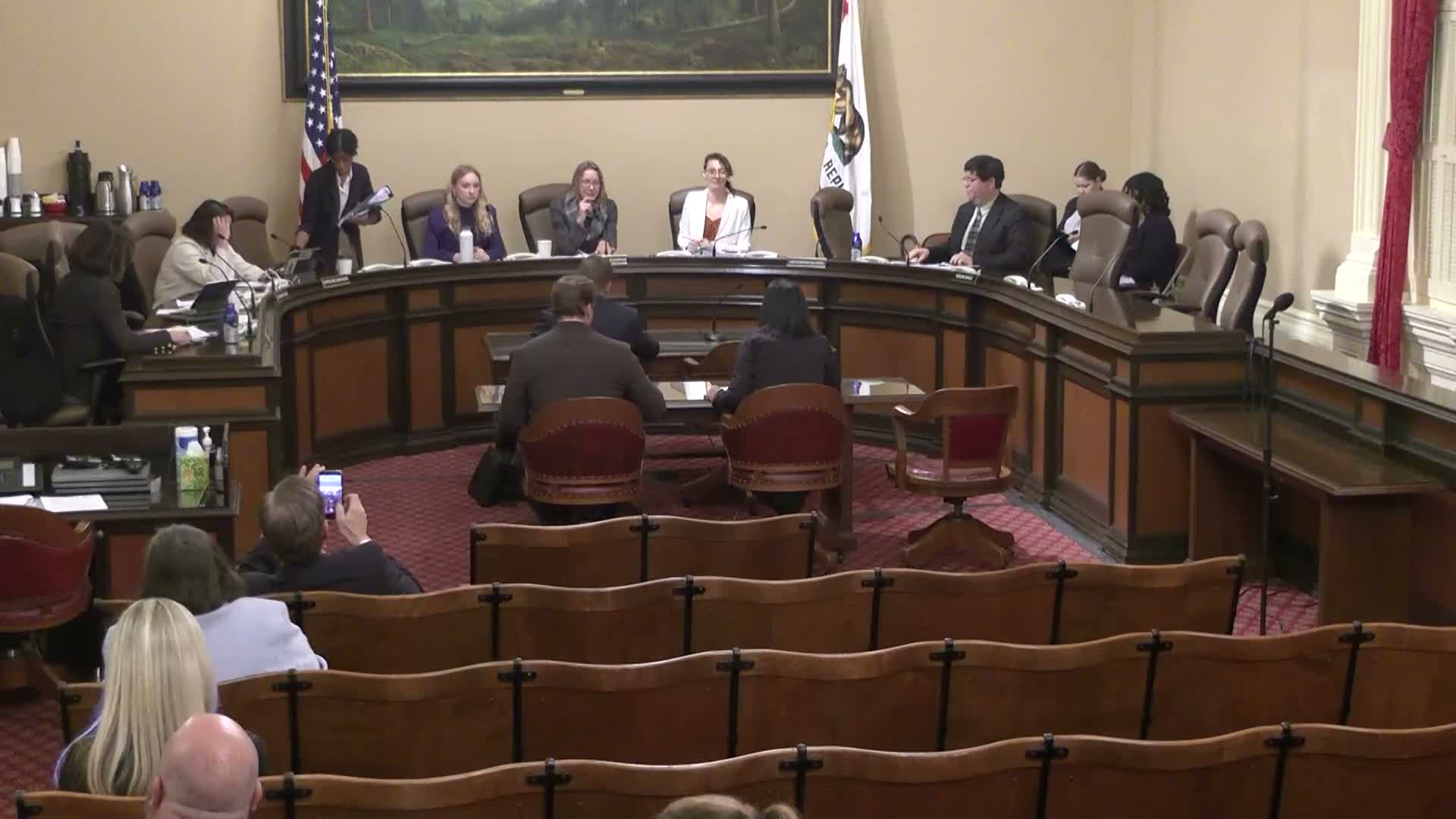
Hurtado pauses hazardous‑waste siting bill after heavy pushback from environmental‑justice groups
Summary
Senator Hurtado introduced SB 12 89 to secure a greater voice and benefits for Kettleman City as the state grapples with hazardous‑waste capacity; environmental‑justice, community and labor groups opposed concentrating hazardous waste in two Central Valley communities and raised legal, capacity and equity concerns, prompting the senator not to seek a motion.
Senator Anna Hurtado described SB 12 89 as an effort to ensure that communities near hazardous‑waste facilities—particularly Kettleman City—have a meaningful voice and receive community benefits as landfill capacity tightens. She stressed decades of community burden and said local leaders sought a seat at the table before decisions shift more waste into the region.
Kings County officials and local sponsors said the bill was meant to preserve in‑state disposal capacity and stabilize local revenue used for county services, while giving residents a stronger role in planning and benefits. Waste‑management representatives said California currently relies on a very small number of in‑state hazardous‑waste facilities and noted the operational and permitting challenges of adding new capacity.
Environmental‑justice organizations, local residents and a coalition of affected communities testified in force against the proposal as drafted. They argued the bill would concentrate hazardous waste in predominantly low‑income, Latino farmworker towns already ranked highly on CalEnviroScreen and that it could steer volumes to a small set of facilities—entrenching environmental injustices and raising costs for consumers by reducing competition. They also raised concerns about expired permits and regulatory compliance at some facilities.
Senator Hurtado paused the bill, did not seek a committee motion, and urged more stakeholder work on equitable approaches that avoid concentrating harms while ensuring proper state disposal capacity and community benefits.