Get Full Government Meeting Transcripts, Videos, & Alerts Forever!
Get email alerts on the Consumer Protection topic
No spam. Unsubscribe anytime.
Senate panel advances PACE expansion for wildfire hardening amid consumer‑protection concerns
Summary
SB 1041 broadens PACE eligibility for home hardening statewide and adds hardship and reporting provisions; supporters said it expands financing access, while consumer groups and treasurers warned of past abuses and potential long‑term harm to vulnerable homeowners. The committee moved the bill to Appropriations as amended.
Sen. Regin said SB 1041 modernizes and expands the use of Property Assessed Clean Energy (PACE) financing for wildfire‑hardening upgrades, clarifies eligible improvements, adds hardship provisions including lien removal if a home is destroyed, and requires reporting to protect consumers.
"SB 10 41 finally delivers on this original promise...and provides clarity and explicitly defines eligible fire hardening improvements," the author said, arguing the bill helps homeowners who are "house rich and cash poor" access capital for life‑safety retrofits.
Proponents included Renew Financial, Cal Fire Local 2881 and professional firefighters, who emphasized the risk of wildfire across urban and rural areas and the need for financing tools. Dean Grifilo of Renew Financial described PACE as a regulated, consumer‑protected financing option.
Opponents — including the National Housing Law Project, housing counselors, the California Association of County Treasurers and Tax Collectors, housing advocates and mortgage bankers — warned that PACE has a history of abuse, conflicts of interest with contractor sales, and liens that can burden or displace vulnerable homeowners. Lisa Sitkin (National Housing Law Project) described cases of seniors sold loans that became unaffordable, producing large liens and higher tax bills.
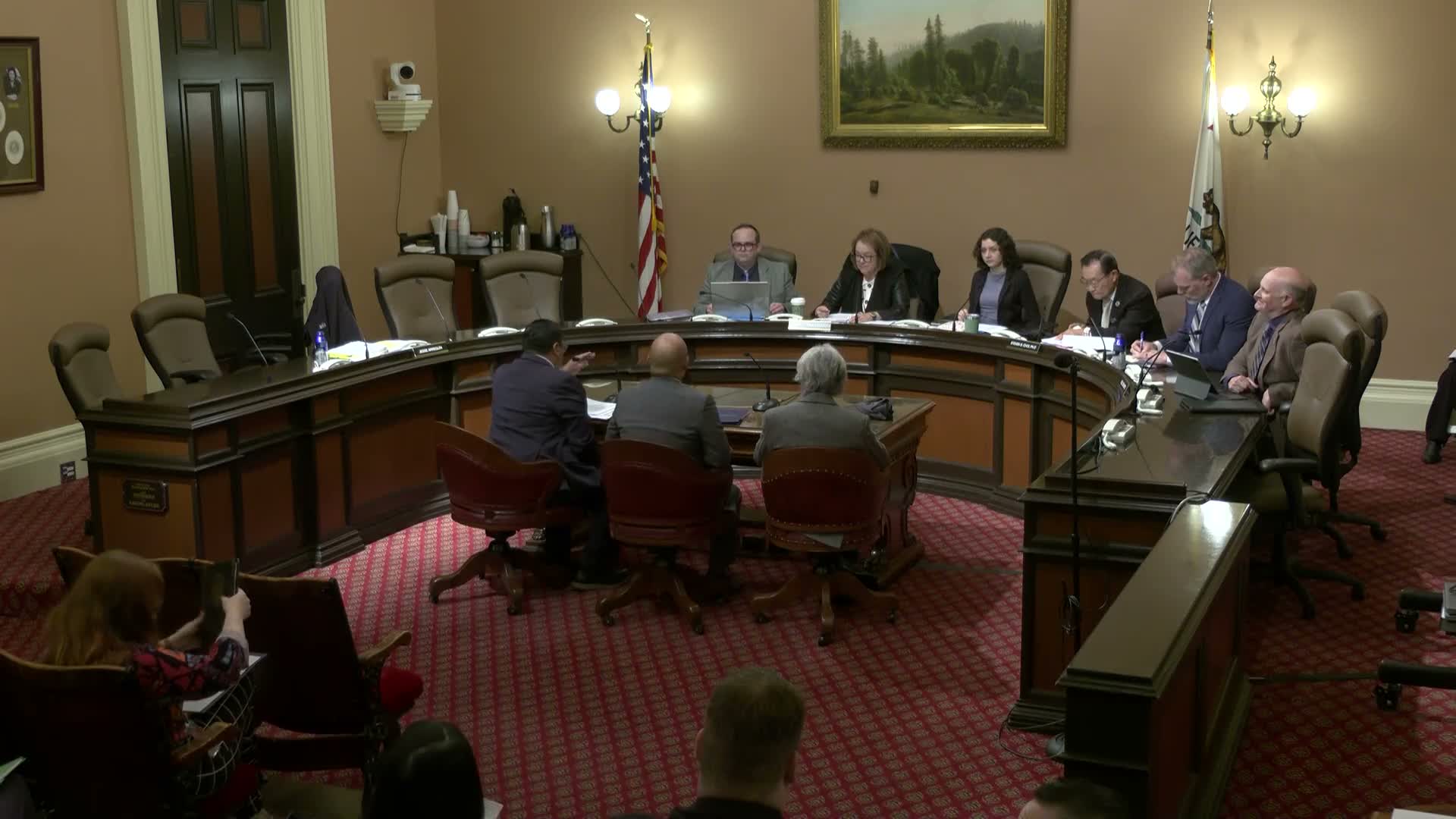
Committee members discussed amendments to strengthen consumer protections, reporting and a hardship program; the author pledged ongoing work with opposition groups. The bill passed to Appropriations with a recorded committee vote (3‑2).