Get Full Government Meeting Transcripts, Videos, & Alerts Forever!
Get email alerts on the Budget Overview topic
No spam. Unsubscribe anytime.
MSAD 60 board reviews roughly $51 million budget as reading program is added and cuts are proposed
Summary
At a March 26 RSU 60/MSAD 60 budget workshop the administration presented a proposed budget that would raise school expenses by about 4.2%; the board debated a K–8 literacy program funded partly from fund balance, proposed position cuts totaling roughly $477,000, and tradeoffs including class sizes and an SRO.
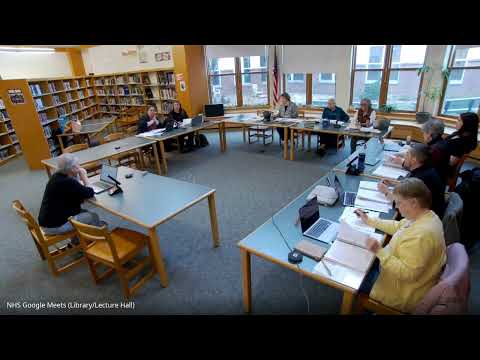
The RSU 60/MSAD 60 school board met March 26 in a budget workshop to review proposed cuts, new program spending and facility requests as administrators sought to reduce the district’s originally proposed increase.
Administrators said they had identified about $477,000 in cuts—reducing modular costs, trimming grounds and plumbing contracts, cutting one proposed custodian and several proposed positions—and reported school expenditures near $51 million, representing roughly a 4.2% increase in expenses over last year. The administration asked the board to consider using fund balance for several one‑time purchases and for start‑up costs tied to a new literacy program.
Why it matters: Board members said the community expects academic improvements and pressed administrators to show a clear link between spending choices and instructional outcomes. Several members urged the board to bring the increase closer to a 3.0% target; administrators said getting below 4.2% would require additional cuts that would hit classroom staffing or key services.
What administrators proposed and why: The administration described a K–8 literacy program under vendor evaluation with an estimated total price of about $549,000. Of that figure they listed approximately $120,000 in one‑time materials and shipping costs (which they proposed paying from fund balance), roughly $350,000 in local program costs spread over three years (about $117,000 per year), plus an annual assessment cost of roughly $17,000 for DIBELS. Director of teaching and learning (introduced by the administration) said staff survey results (76 respondents) showed most lower‑grade teachers were ready to implement the program while some upper‑grade teachers preferred an extended pilot.
Cuts and tradeoffs: The administration outlined personnel reductions and role changes intended to protect front‑line instructional staff. Key proposals included eliminating one math coach position, not filling a middle‑school English teacher slot, reducing an assistant athletic director to half time, cutting an assistant transportation director position, and moving some responsibilities (for example, adding Excel duties to an IEP coordinator position rather than hiring a separate Excel coordinator). The administration said the reallocation would keep Excel support but shift how the role is funded and scheduled.
Board reaction and exchanges: Some board members said the Excel change risked overloading IEP staff and wanted clearer job descriptions; others said the district historically uses dual roles for coordination. One public commenter who identified herself as Megan from Lehi urged the board to prioritize curriculum and instruction over facility projects, saying, “We failed. Our scores show it,” and asking why curriculum options had not been presented earlier. Facilities staff (Kevin) sought to limit immediate capital spending where possible but recommended targeted replacements—such as a boiler at Mary Hurd—to avoid larger failures.
Funding mechanics: Administrators recommended using fund balance for select one‑time purchases (they cited a fund balance near $2.1 million) to reduce the immediate tax impact. They also reported moving some transportation purchases (a snowblower and new radios) into fund‑balance spending while showing the operating budget with the program costs amortized across years where applicable.
Next steps: Board members agreed to reconvene on Tuesday to try to shave several hundred thousand dollars from the plan and to finalize a budget for a Thursday vote. Several members suggested specific tradeoffs—removing one school resource officer (SRO) to fund an additional teacher, or further personnel reductions—while others opposed cuts to safety or behavioral supports. Administrators warned that additional cuts would likely affect class sizes or program stability.
The workshop ended without a vote; the board scheduled a follow‑up session to refine the proposal ahead of a Thursday action meeting.