Get AI Briefings, Transcripts & Alerts on Local & National Government Meetings — Forever.
Senators debate future of California Education Learning Lab as LAO urges rejection of governor's plan
Summary
Subcommittee heard that the Learning Lab supports intersegmental innovation and reached thousands of students, while the LAO recommended rejecting the governor's proposal on scalability and budget grounds; lawmakers pressed for clearer metrics and long‑term evaluation plans.
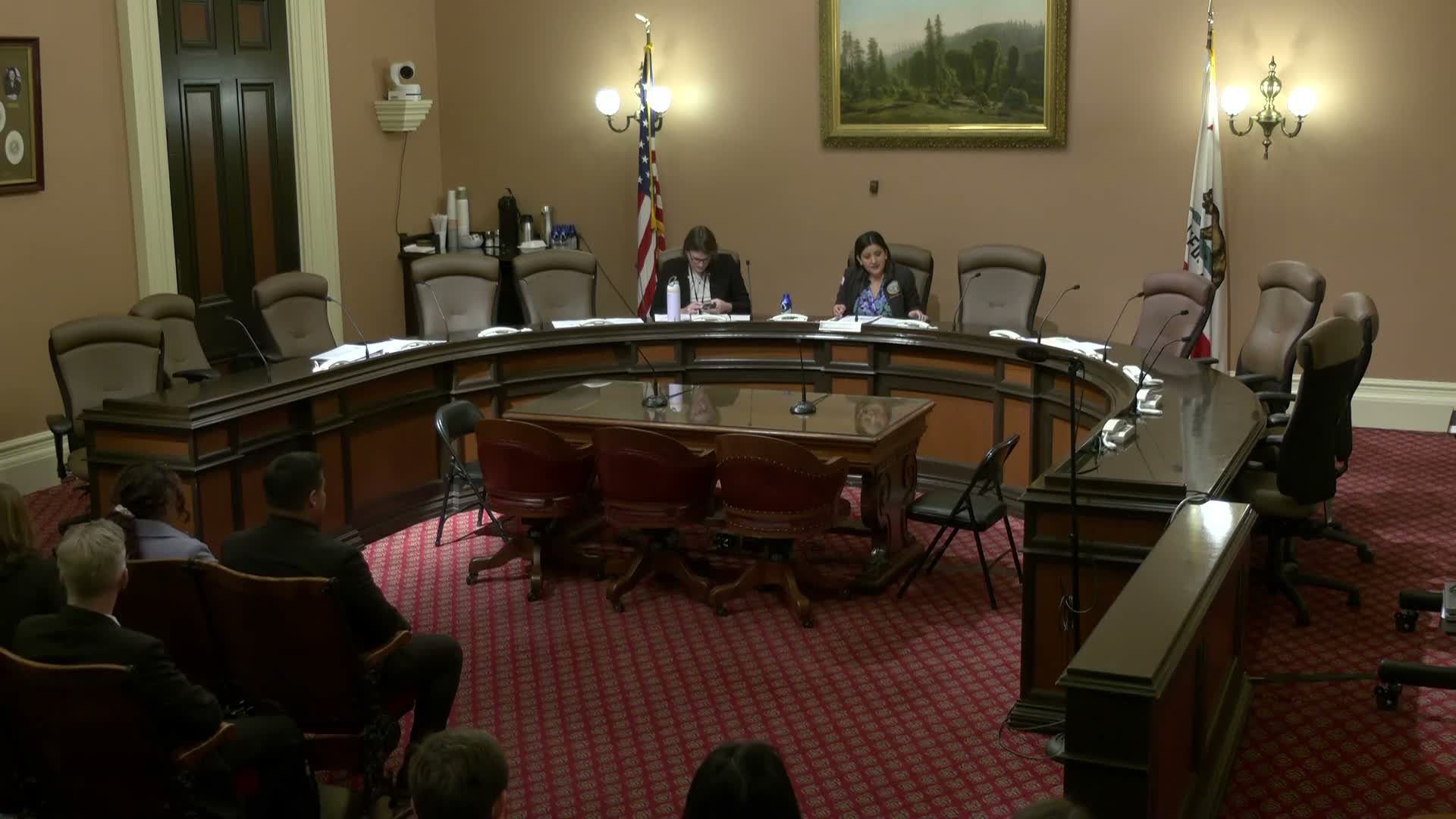
The Senate Budget Subcommittee on Fiscal Review heard competing views on the future of the California Education Learning Lab, a state‑funded grant program that supports intersegmental projects across the UC, CSU and California Community Colleges.
The Learning Lab's director told the panel the program, now in its eighth year, has funded about 120 projects statewide and reached roughly 13,000 faculty and 300,000 students. The governor's January proposal would move administration from the Office of Land Use and Climate Innovation to the Government Operations Agency and restore $4,000,000 annually to the Lab's budget, the director said.
Why it matters: supporters say the Lab seeds innovations that campus programs would not coordinate across segments, produces open educational resources that reduce student costs and enables projects to be scaled across institutions. Critics and the Legislative Analyst's Office argued the program is difficult to scale and overlaps with existing professional development and federally or philanthropically funded opportunities.
"We recommend rejecting the governor's proposal to retain the program for four main reasons," Natalie Gonzalez of the Legislative Analyst's Office told the committee, citing scaling challenges, overlap with segment efforts, alternative grant sources, and the state's projected budget deficit.
Supporters pushed back. Professor Carl Witthouse of UC Davis, a leader on an AI‑focused Learning Lab project, described a $1.5 million grant that will train roughly 225 faculty and impact about 12,000 students across eight partner institutions. "Maintaining Learning Lab funding, particularly focused on AI and innovative teaching and pedagogy right now, is absolutely crucial," he said, arguing the Lab fosters intersegmental collaboration and classroom‑level usability of technologies.
Lawmakers pressed for measurable outcomes and scalability plans. Senators asked for clearer metrics beyond short‑term course performance — including whether and how innovations translate into longer‑term career outcomes. The Lab acknowledged that longitudinal workforce impact studies are difficult and proposed partnering on research to track longer‑term effects.
The committee held the item open for follow‑up on metrics and potential legislative cleanup; no final appropriation vote occurred during the hearing.