Get Full Government Meeting Transcripts, Videos, & Alerts Forever!
Get email alerts on the Customer Affordability topic
No spam. Unsubscribe anytime.
Public warns of household distress as commission reviews municipal solar and RPS progress
Summary
A community member told the commission that thousands of shutoff notices have been issued in one ZIP code; commissioners also reviewed municipal solar projects and heard that Glendale is ahead of schedule on state RPS targets, while municipal rooftop solar carries higher per‑MWh costs.
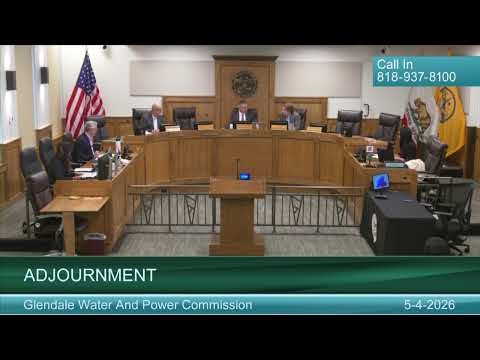
At the May 4 Glendale Water and Power meeting, public commenter Herbert Milano presented a multi‑page report he submitted to city council and the department documenting utility shutoff notices and household distress. Milano said his review—based on city financial reports and public records requests—found that in ZIP code 91204 approximately 8,500 households received about 13,000 notices of impending shutoff in one year and urged the commission to receive such a report monthly so commissioners can track impacts on residents.
Commissioners responded that customer‑assistance and affordability data are regularly covered in customer‑service updates and that staff will include the item in future agendas; staff noted that August is currently planned to include related customer topics. Commissioners agreed the issue touches broader economic factors beyond utility bills and suggested the commission coordinate with council and other departments.
On renewable energy, staff reported that Glendale’s portfolio improved in 2025: Elan (Elin) Solar came online and Grayson repower is expected to achieve commercial operation in July 2026. Staff cited SB 100 compliance milestones and said the utility expects to meet or exceed an interim target (about 52–60% renewables) ahead of a 2027 metric. Staff also reviewed municipal solar projects (Central Library rooftop, GWP Perkins building, a sports complex expected by mid‑June) and explained that small urban solar installations have higher per‑MWh costs than utility‑scale projects due to site constraints and fixed overhead.
Commissioners asked for comparative cost metrics and procurement approaches; staff said municipal projects used a design‑build approach and that smaller, in‑city solar is more expensive but reduces transmission losses and provides local resilience. No formal votes were taken on RPS or customer‑affordability items in this meeting; commissioners asked staff to return with more detailed affordability metrics and a follow‑up agenda item.