Get Full Government Meeting Transcripts, Videos, & Alerts Forever!
Get email alerts on the Education topic
No spam. Unsubscribe anytime.
Residents and assembly press to protect education funding as district weighs school closures
Summary
Public commenters and assembly members urged the Kenai Peninsula Borough Assembly to prioritize education funding amid recent school closures and district consolidation plans; Mayor Michicky and assembly members discussed state bills and the borough’s contribution to education budgets.
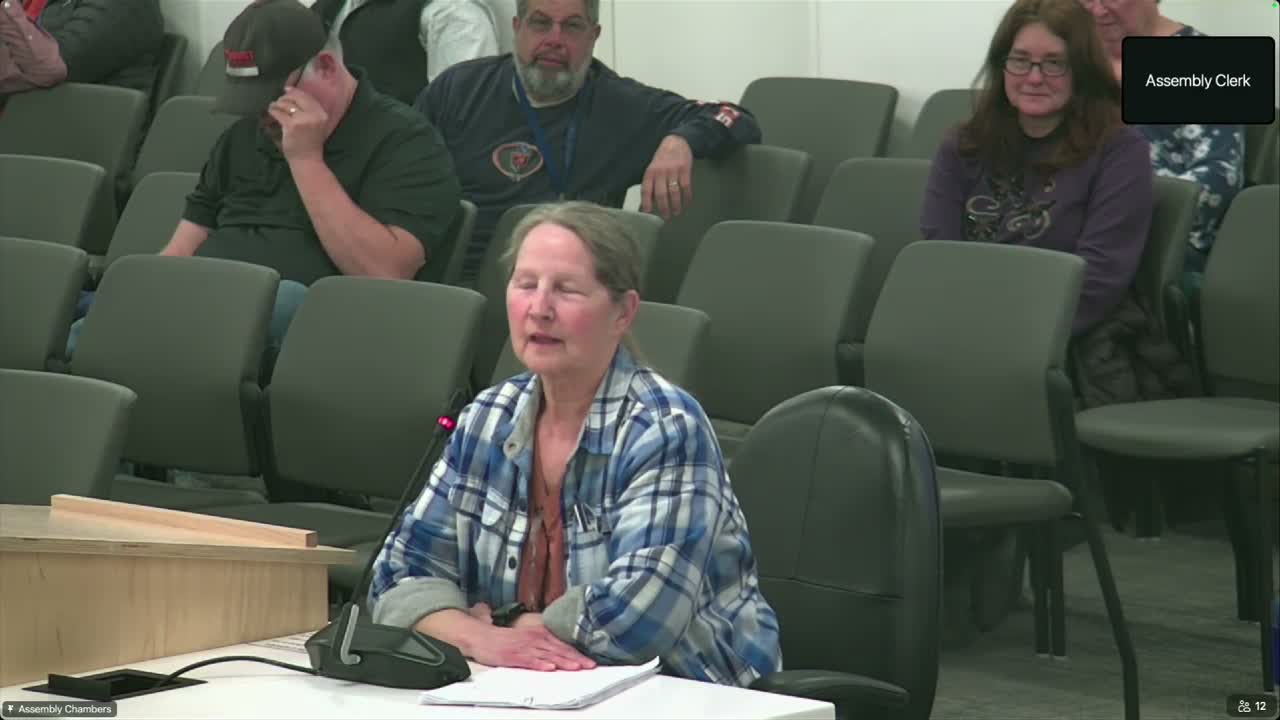
Public testimony and multiple assembly comments on April 7 centered on education funding and recent school‑closure decisions by the Kenai Peninsula Borough School District.
Former Assembly President Brent Johnson urged the borough to prioritize education funding ahead of the FY27 budget, focusing on distant education funding that supports remote villages and correspondence programs. "This education is one of those things that's just important," Johnson said, asking the assembly to “compromise” where needed to sustain key programs.
Several audience members and assemblymembers described emotionally difficult school‑closure meetings, pointing to low enrollment in some schools and the district's consolidation decisions. William Hubler and others highlighted ancillary services—particularly pools and swim programs—at risk from school closures and urged local solutions to keep community pools available.
Mayor Michicky reviewed the borough’s ongoing legislative advocacy in Juneau, referencing work on bills including HB261 (student count smoothing) and SB259 (assessment cap smoothing/5% cap). He told the assembly the borough had funded roughly $12 million over the cap last year and said he will continue to press for legislative fixes and local negotiation authority where necessary.
Assemblymembers repeatedly stressed the need for data and community engagement. Several members commended the school district's recent budget presentation and asked staff to include more in‑depth budget materials during the FY27 process. Assemblymember Neeson recommended service‑area models (for example, recreation service areas) to let local communities fund amenities like pools when district or borough budgets cannot sustain them.
Why it matters: Education funding is the largest single component of the borough general fund and a recurring source of public controversy as enrollment shifts and consolidation plans require tradeoffs across communities. Speakers urged the assembly to weigh the borough’s fiscal capacity against the educational needs of remote and small communities.
Ending: The assembly previewed further budget work in coming weeks and repeated invitations to community members and legislators to engage in the process.