Get Full Government Meeting Transcripts, Videos, & Alerts Forever!
Get email alerts on the Sexual Assault Services topic
No spam. Unsubscribe anytime.
SAFE Alliance warns forensic‑exam services could stop June 8 without new funding
Summary
SAFE Alliance told the Public Safety Commission that budget shortfalls may force the agency to stop providing most forensic exams around June 8, 2026; APD and Brave Alliance are negotiating contingency contracts but city, county and hospital partners said hospitals need months to stand up capacity.
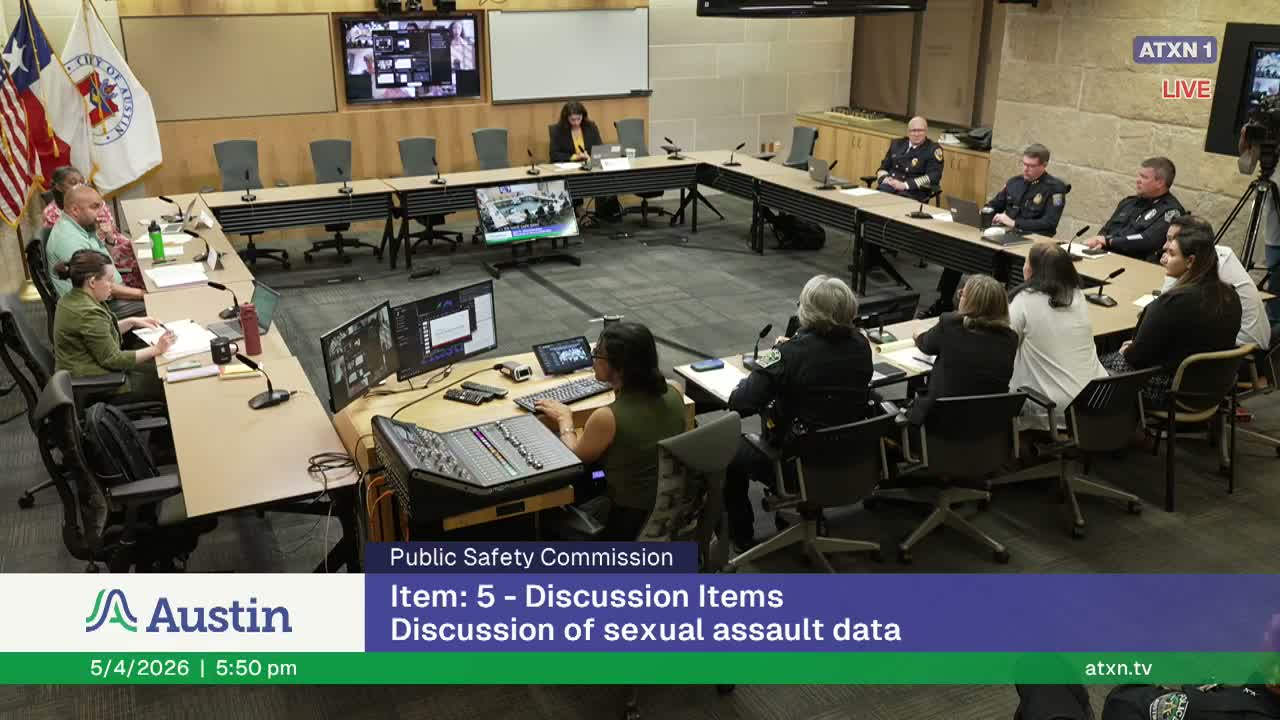
SAFE Alliance told the Austin Public Safety Commission on May 4 that it faces a funding shortfall large enough that it may have to terminate forensic‑exam services in early June unless additional community funding is secured.
"We will probably be sending termination notices ... which would put the termination of services at June 8," Dr. Pierre Barastein, SAFE Alliance CEO, said during the presentation. SAFE Alliance said the overall budget to sustain the Loise House model is about $3,000,000 a year; SAFE said it can raise roughly half ($1,450,000) but faces a remaining deficit of about $1,600,000, including a roughly $1,300,000 gap just for forensic examinations.
The shortfall prompted immediate questions from commissioners and a tense exchange about contingency plans. Vice Chair Ramirez said the prospect of a June 8 service loss left commissioners "at a loss of words" and urged city partners to act quickly to avoid creating a gap in survivor care.
Brave Alliance — a regional forensic nursing provider — and its forensic nursing director Crystal Love told the commission they are working on contracts with hospitals and have capacity to absorb some exams. "We have 14 nurses, and we're working to increase that capacity as well," Love said. Brave Alliance forensic educator Nora described the group as on call 24/7 and prepared to support Travis County if contracts and clinic space are in place.
APD and allied agencies said they are pursuing short‑term contracts and contingency planning. APD representatives said they are negotiating with Brave Alliance and looking at training, referral and evidence‑chain needs should Eloise House pause operations; APD also said hospitals have statutory obligations to provide exams but that hospital systems estimate 6–12 months are needed to ramp up in‑house capacity.
Travis County Special Victims director Andrea Austin said the county is tracking case progress and noted prosecution workflows can be complicated by how case and cause numbers are reported; she urged coordinated planning so investigations and prosecutions are not disrupted.
The commission did not take formal action during the presentation. Commissioners and presenters urged rapid collaboration across city, county, hospital and nonprofit partners to secure short‑term funding and to establish a multi‑provider, sustainable model so survivors retain access to trauma‑informed forensic exams and advocacy.
Next steps: APD reported negotiations with Brave Alliance are ongoing and the mayor's office has been engaged. SAFE Alliance said it would draw from reserves for a last‑ditch effort while advocacy and funding conversations continue.