Get AI Briefings, Transcripts & Alerts on Local & National Government Meetings — Forever.
Missoula reports 31% waste-diversion, unveils 3–5 year roadmap for '0 by 50' plan
Summary
City and nonprofit officials said Missoula met its interim 30% diversion benchmark and presented a short-term 3–5 year roadmap of education, infrastructure and policy actions — including a 'last chance' donations site opening May 1 — to push toward zero waste by 2050.
Missoula has met an interim waste‑diversion benchmark and outlined short‑term steps to keep the city on track for its long‑term zero‑waste goal, officials said at a Home Resource lunch‑and‑learn.
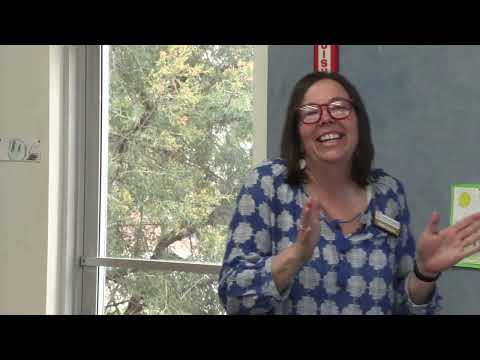
“We set the goal in 2018, and the big news is we did it — we’re at 31%,” Lee Raderman, community resilience specialist with the City of Missoula, said. Raderman and Kelly Tesick, executive director of Home Resource, presented the outcomes of a six‑week task force that drafted a three‑to‑five‑year implementation roadmap tied to the city’s 0 by 50 plan (zero waste by 2050).
Why it matters: keeping organic materials and reusable goods out of the landfill reduces greenhouse‑gas emissions, protects local water supplies and lowers disposal costs for residents and businesses, presenters said. Raderman noted that while landfill emissions register a small share of local inventories, lifecycle emissions from production and disposal increase the sector’s climate footprint.
What officials reported and will pursue: the task force identified education, infrastructure, policy and access as the roadmap’s pillars. Officials credited industrial recycling and construction‑waste recovery for much of the diversion gains and said conventional recycling and composting streams together now account for roughly 53% of those traditional materials. Home Resource and partners also highlighted program expansions: year‑round household‑chemical collections (about 700 gallons diverted for reuse or redistribution), school cafeteria 0‑waste stations, event‑scale composting at festivals and a municipally owned commercial compost facility that accepts large streams.
To make reuse easier, Home Resource will open a staffed “last chance donations” drop‑off on Shakespeare Street on May 1. "We're going to staff it and have big signs that say 'donate here,'" Tesick said, describing an arrangement on city‑owned land under a memorandum of understanding that will waive rent for the warm months and offer people an on‑the‑way option to drop off salvaged building materials.
On business outreach, presenters described the Pledge 0 program, a consultative offer to help businesses set up recycling and compost systems. "We want to demystify it and make it more accessible," Kelly Tesick said, noting that small business uptake can be slow because some owners perceive the change as extra work or cost.
Limits and policy context: presenters cautioned that Montana law contains a state‑level restriction often described as a “ban on bans,” limiting local authority to impose certain mandates, such as plastic‑bag prohibitions. Kelly Tesick referenced past legislative efforts by state Rep. Marilyn Marler that advanced measures to curb single‑use items but were vetoed at the governor’s desk.
Next steps: the task force will finalize recommendations and attach measurable metrics to each short‑term strategy, Raderman said. Officials set a new interim target of 40% diversion by 2030 and said continued data collection, stakeholder coordination and public engagement will guide implementation.
The Home Resource presentation closed with an audience question period on contamination in recycling and options for improving diversion; presenters said source separation, volunteer pickers at events and clearer signage can reduce contamination. No formal motions or votes were taken at the session.