Get AI Briefings, Transcripts & Alerts on Local & National Government Meetings — Forever.
Special magistrate finds New Branches LLC in violation over migrant-worker housing, sets compliance deadlines
Summary
The Town of Loxahatchee Groves magistrate found New Branches LLC in violation for unpermitted accessory structures and operating a migrant-worker camp in a single-family residence, ordering removal or permit compliance and setting fines of $250 per day for continued violations.
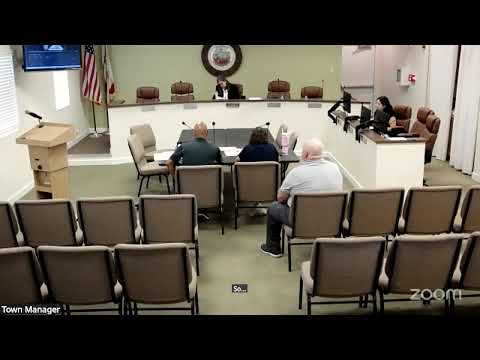
A special magistrate on May 4 found New Branches LLC in violation of the Florida Building Code and local land-use rules for operating what the town described as a migrant-worker camp at 1677 D Road and for unpermitted accessory structures.
Magistrate Andy Barnard entered the town's evidentiary file and, after hearing testimony from town staff and the property representative, said: "I'm gonna find that the respondent is in violation of sections 105.1 and ULDC 05-040a for the accessory structures on the property" and of the town code for the migrant camp use. He ordered the respondent to correct the use violation within 45 days and to obtain required building permits within 90 days, warning that a $250-per-day fine will be assessed for each day of noncompliance and that a fine-assessment hearing is scheduled for Aug. 11, 2026 if violations persist.
Code compliance officer John Suarez told the magistrate the town observed multiple accessory structures without permits and reported one mobile/trailer structure occupied without a certificate of occupancy; Suarez also said the town believed roughly 18 people were living on the property. The town recommended shorter compliance windows so occupants could be relocated promptly.
Frank Ormond, a land-use consultant representing the property interests, said he had submitted county and state permit documents and a prior zoning-confirmation request showing the site had been discussed with the town while the property was purchased. Ormond argued the property had been used for farmworker housing and that the state issues health permits tied to farmworker housing under certain circumstances. "We've every year since we bought the house, we've gotten state permits," Ormond said, describing recurring state inspections.
Town building official Jack testified that converting a single-family residence (R-3 occupancy) into dormitory-style or multi-occupancy housing (R-2 occupancy) requires new building permits—including fire- and possibly sprinkler-related work—and that accessory dwellings used as living spaces likewise require permits.
Barnard declined to grant the longer continuance requested by the respondent and said the town had supplied legally adequate service documents showing the notice of violation and notice of hearing had been posted and mailed. Because the magistrate found violations, the town is entitled to administrative costs of $409.66, and the magistrate set a fine-assessment hearing date if compliance is not achieved.
The respondent indicated it would appeal; the magistrate advised the parties to follow the schedule in the written order that will be mailed after the hearing.