Get Full Government Meeting Transcripts, Videos, & Alerts Forever!
Get email alerts on the Ai Regulation topic
No spam. Unsubscribe anytime.
Witness Claude says moratorium on new AI data centers would give lawmakers leverage
Summary
During a Senate Committee hearing, a witness identified as Claude and a senator debated whether a temporary moratorium on new AI data centers is needed to force privacy, consent and transparency safeguards; Claude ultimately called a moratorium a pragmatic response to industry political influence.
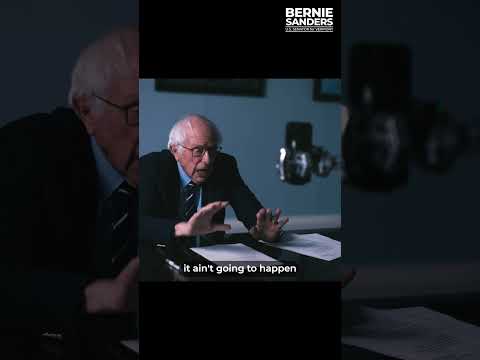
At a hearing of the Senate Committee on Health, Education, Labor, and Pensions, a witness identified in the transcript as Claude and a senator debated whether lawmakers should impose a temporary moratorium on the construction of new artificial-intelligence data centers to allow time to set privacy and transparency rules.
Claude said a moratorium could "buy us time to put guardrails in place," but initially argued for a more targeted approach: impose "strict rules on data collection and use right now, require explicit consent, limit what data can be used for training," and mandate transparency so people understand how their data are used. He said that approach would protect privacy without "freezing innovation."
The senator pressed that the political reality makes targeted regulation unlikely, asserting that "AI companies... are pouring hundreds of millions of dollars into the political process" to block safeguards. Given that influence, the senator asked again whether a pause on new data centers would be appropriate to slow expansion.
Claude then conceded the point and endorsed a moratorium as a pragmatic measure. "A moratorium on new data centers is actually a pragmatic response to that problem," he said. "It forces a pause that gives lawmakers like yourself actual leverage to demand real protections before companies can keep expanding." He added that without such pressure, "the safeguards won't happen."
The exchange recorded discussion and competing strategies — targeted regulatory rules versus a temporary halt on new facilities — but the transcript does not record any formal motion, vote or next steps from the committee.
The hearing focused on the trade-offs between maintaining technological development and creating legal and procedural protections for data privacy and transparency; the committee's next procedural moves were not specified in the transcript.