Get Full Government Meeting Transcripts, Videos, & Alerts Forever!
Get email alerts on the Digital Accessibility topic
No spam. Unsubscribe anytime.
Cole County approves preliminary purchase for document‑remediation software amid staffing concerns
Summary
Commissioners approved a pending $7,000 integration/contract for a document‑remediation solution to meet an April accessibility deadline, while debating which offices will maintain remediation work and how to staff ongoing compliance.
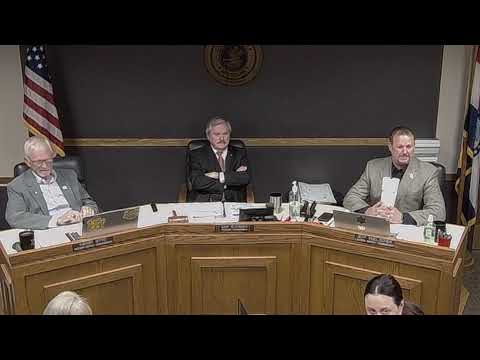
Cole County commissioners voted March 24 to approve, pending contract review, a roughly $7,000 integration/purchase intended to help the county meet an upcoming accessibility deadline for online documents.
Melissa (speaker 1), who led the accessibility update, said the county had evaluated remediation tools and proposed an integration with the county’s website vendor. She said the integration includes a one‑time CivicPlus integration fee cited in the quote and that five remediation license seats at $700 each, plus training and help-desk support, appeared sufficient for county needs. The county also added an accessibility widget (AudioEye) and plans to prioritize remediation by document hit counts.
"If we can't get them done before the April 24 deadline, my recommendation is, prioritize doing the most hit documents first, and then any of the ones that probably are not hit that much, unpublish them temporarily," Melissa said. County staff noted PDF remediation is the most time‑consuming portion; one staffer described an option to outsource complex pages for about $1.50 per sheet.
Commissioners approved the acquisition motion; the purchase was approved "pending approval of the contract," and the county attorney or attorney designee will review final terms before signature. Commissioners and staff then debated long‑term ownership and staffing for remediation work. Several elected‑office staff said they lacked trained personnel and requested either county IT support or permission to contract for vendor help paid from their office funds. The ADA coordinator (speaker 4) committed to assist departments and provide contact information for help and training.
The county will prioritize frequently accessed documents for remediation, maintain an accessibility contact page for assistance, and schedule follow‑up meetings between IT, the vendor and individual offices to scope work and costs. The commission directed staff to continue implementation planning; no additional appropriation for the purchase was required at the meeting because the vote approved a pending contract review rather than immediate spending beyond the contract authorization.
Next steps: vendor contract review by the county attorney, targeted remediation of high‑hit documents, and office‑level follow‑ups to identify staffing or vendor needs.