Get Full Government Meeting Transcripts, Videos, & Alerts Forever!
Get email alerts on the Transportation Traffic Operations topic
No spam. Unsubscribe anytime.
Operations staff explain how camera monitoring, signs and troopers clear incidents on I-80
Summary
Operations staff described how cameras, variable message signs and brief trooper-led slowdowns are used to detect and clear debris and stalled vehicles on state highways, citing a stalled semi and routine debris responses near Centerville.
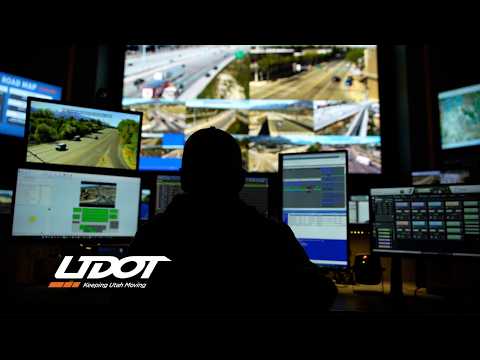
Operations staff at a Utah Department of Transportation operations center described how cameras and electronic signs help spot and clear incidents on state highways, and how coordination with troopers and maintenance crews keeps traffic moving.
"We are UDOT's eyes in the sky," said the agency official (S3), summarizing the center's role in spotting crashes, debris and pedestrians and dispatching maintenance teams for structure or debris emergencies. Staff members said the center pulls incidents up on camera to get troopers and incident management teams to scenes "as quickly and effectively as possible."
The center's order of operations, as described by a staff member (S2), begins with camera detection, followed by posting a variable message sign for the traveling public, and then notifying responders. "We'll put up a sign out on the freeway, one of the variable message signs, because that's our main line of communication to the traveling public," S2 said. The same speaker described a recent response to a stalled semi: the shed called dispatch and requested a trooper for a slowdown, maintenance stopped traffic for "one, maybe two minutes," added filler, and then traffic was released.
S2 added that a small, localized delay — "about a quarter of a mile" — at the time of detection can avert larger backups later, characterizing short stoppages as a proactive traffic-management strategy. "This small delay right here...is going to prevent much larger delays in the future," S2 said.
Staff members also noted the variety of incidents the operations center monitors, from car fires and pedestrians on the freeway to signal malfunctions. "We see anything from car fires to pedestrians on the freeway...signals having problems or anything like that," S1 said, describing the center's day-to-day caseload. S2 mentioned repeat callers who check traffic on routine schedules and gave a local example of a monitored stretch: Centerville down to 1300 East on I-80.
Operations staff framed the center's work as both safety-focused and community-facing: watching cameras, posting traveler information, dispatching maintenance crews, and requesting trooper assistance when needed. Staff closed the discussion by emphasizing job satisfaction and a sense of making a difference in traffic operations.
No formal motions or decisions were recorded in the transcript; the exchange comprised operational description and examples of routine incident responses.