Get Full Government Meeting Transcripts, Videos, & Alerts Forever!
Get email alerts on the Planning Code topic
No spam. Unsubscribe anytime.
Planning staff previews Article 5 edits to the Unified Development Code to clarify appeals and variances
Summary
Planning staff presented draft clarifying edits to Article 5 of the Unified Development Code to reinforce appeal paths, clarify when development plans and conditional‑use reviews proceed, set expiration windows for administrative approvals and reaffirm variance/adjustment pathways; staff said the ordinance will go to hearing later this month.
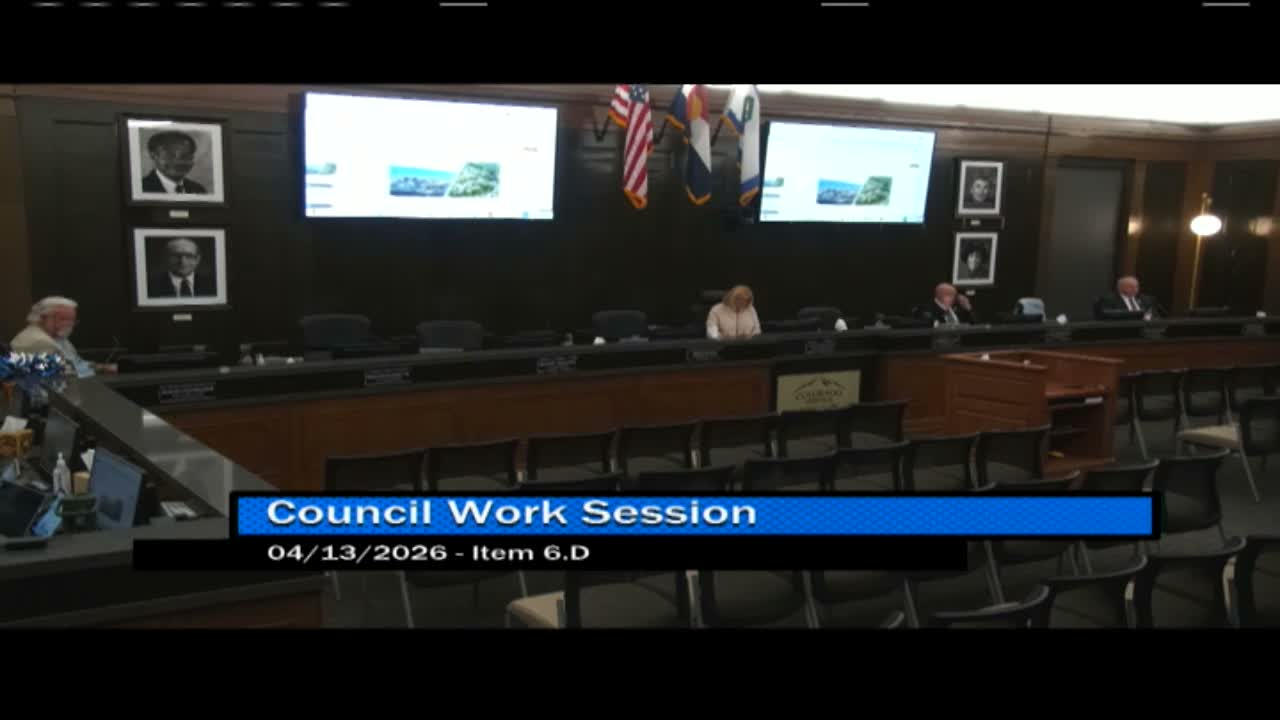
Planning department staff updated the City Council on proposed clarifications to Article 5 of the Unified Development Code (UDC) at the April 13 work session. Staff said the draft is primarily a "housecleaning" effort to resolve ambiguities that have produced inconsistent interpretations in recent applications.
Key changes described include: clearer language confirming that decisions by lesser decision‑making bodies (for example planning commission recommendations or historic preservation bodies) are recommendations to council rather than final appealable actions; clarification that certain conditional‑use applications may be pursued through planning commission without a fully‑fleshed development plan; and reaffirmation that administrative adjustments, design standard adjustments and non‑use variances remain available to applicants as lower‑entry remedies.
Staff also said the draft adds post‑decision vesting language and expiration periods — for example setting a one‑year window for independent approvals without an associated development plan to obtain a building permit — and retains higher thresholds for major non‑use variances that remain the purview of the planning commission. As an illustrative example, staff said a 250‑foot separation standard in code (for gas stations) remains a use‑specific standard that would generally require a non‑use variance and planning commission review rather than an administrative relief.
Council members asked for clarifications about procedural safeguards and potential impacts on neighboring properties; staff emphasized that review criteria and thresholds are not changing, only the code language that governs timing, referrals and expiration periods. The department said the draft ordinance was run through planning commission and will return to council for a formal hearing later this month.