Get Full Government Meeting Transcripts, Videos, & Alerts Forever!
Get email alerts on the Literacy And Mental Health topic
No spam. Unsubscribe anytime.
Fort Wayne Community Schools literacy night spotlights mental health and author Zachary Peyton's Core 9
Summary
At a Boyz II Men literacy night hosted by the district's community-schools program, former athlete and author Zachary Peyton discussed his book Core 9 and personal recovery while counselor Rafael Bosley led a mental-wellness demonstration linking literacy to emotional expression; free books and resources were offered to families.
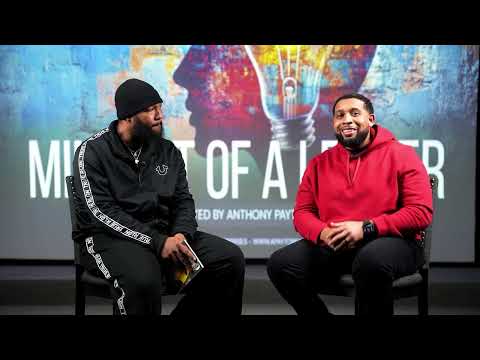
Fort Wayne Community Schools hosted its second annual "Boyz II Men" literacy night on Wednesday evening, where author and former basketball player Zachary Peyton discussed his new book Core 9 and Rafael Bosley, a licensed mental health counselor, led a mental-wellness exercise for students and parents.
The event, presented through the district's community-schools programming, combined an on-stage interview and audience Q&A with a hands-on coping demonstration. "Remain coachable," Peyton told students when asked for practical advice; he framed the book's nine principles — purpose, passion, preparation, people, place, patience, pain, perseverance and prize — as tools for young people navigating difficult choices.
Peyton described his path candidly: "I spent nine months in prison," he said, and told the audience Core 9 was formulated from the pain of that period. He said the book and public speaking are part of "making amends" and reaching back to youth who face similar challenges. Peyton also credited basketball with helping him avoid worse outcomes during his adolescence and described travel and play overseas after high school.
Rafael Bosley, who identified himself as a licensed mental health counselor who contracts with Courageous Healing and Cross Connections Counseling and serves on-site at Sweetwater, led a visual demonstration using water bottles to illustrate how unexpressed emotions accumulate. "If you don't have the words for what you feel, you will always act it out," Bosley said, urging students and parents to develop both vocabulary and coping strategies. He and the organizers distributed a "coping wheel" worksheet and starter packages with practical steps to name and manage emotions.
Organizers tied literacy directly to emotional health, saying reading and writing help young people label feelings, apologize and change behavior without acting out. Free books were available at the event, and Bosley and Peyton encouraged attendees to use reading as a tool for expression and recovery.
Questions from the audience ranged from balancing confidence and humility to how coaches and mentors can reach teens who resist authority. Peyton recommended reflective practices and finding trusted adults who would be honest and demanding when needed. During the audience exchange, attendees also raised issues such as self-worth, balance, and grief, which presenters acknowledged as common stressors for young people.
Miss Danita Washington, who led the event and represents the district's community-schools programming, closed with logistical notes and invitations to future events. She promoted a spring "bling" event on April 9 offering wraparound services, summer-program registration and college-readiness vendors, and asked parents to complete a short survey that helps organizers plan food, translation and other supports.
The program combined storytelling, practical tools and community resources; organizers said the goal was to equip families with both words and strategies so students could better express emotions and avoid acting out. Free books and worksheets were available at the end of the session, and attendees were encouraged to connect with Miss Washington or the presenters for follow-up resources.