Get Full Government Meeting Transcripts, Videos, & Alerts Forever!
Get email alerts on the Urban Forestry topic
No spam. Unsubscribe anytime.
Tom: Erie has a detailed park‑tree inventory in TreeKeeper but street‑tree data remain incomplete
Summary
Erie forestry staff reported the town uses a TreeKeeper platform and has a detailed park‑tree inventory (about 4,614 trees) capturing species, diameter, planting dates and condition updates. Street trees were inventoried in bulk but lack per‑tree condition data, complicating per‑tree ecosystem estimates and Emerald Ash Borer planning.
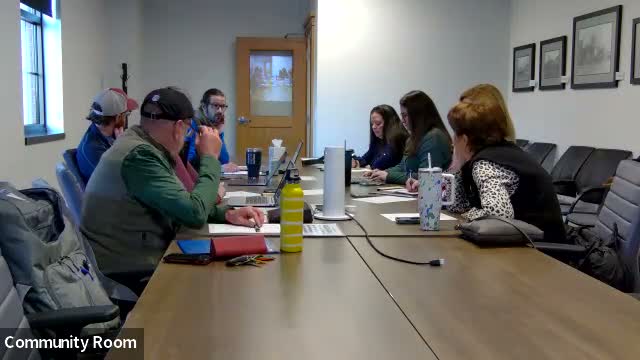
Tom, the town’s forestry presenter, told the Tree Advisory Board on March 11 that Erie began using a software platform called Davy TreeKeeper about two years ago and now maintains a detailed inventory of park trees.
He said the park-tree inventory contained about 4,614 entries as of January, with data fields including species, diameter, planting date and an annual condition update. Tom said staff also record work histories—pruning, insect treatments and other interventions—so the town can track when a tree’s condition improves after maintenance.
Tom described TreeKeeper as a ‘‘tree‑specific shell’’ that works with the town’s ArcGIS files and lets staff run targeted queries, for example to list magnolias in a given park or red oaks of a certain diameter that are not adjacent to streets. He said the platform can also generate ecosystem estimates—pounds of carbon sequestered or gallons of stormwater intercepted—but cautioned those tree‑by‑tree numbers are less reliable when condition data are missing.
That reliability gap, Tom said, is important for street trees: the town’s street inventory was collected rapidly over about a month and a half, capturing species, location and diameter for roughly 14,000 street‑tree assets but not cultivar or a complete per‑tree condition assessment. Because eco‑benefit estimates depend on species, size, location relative to buildings and condition, Tom said per‑tree benefit calculations for street trees “aren’t trustworthy” until staff can collect condition data.
Board members pressed on hazard and pest planning. Tom said tree composition varies by neighborhood; some neighborhoods have little ash while others may be 30% or more ash, which concentrates Emerald Ash Borer risk locally. He recommended using the detailed park‑tree data to prioritize outreach and, in streets, focusing limited staff time where high ash concentrations raise immediate risk.
Tom also noted the inventory records irrigation type for park trees (drip vs. overhead), which lets staff prioritize nocturnal watering and identify trees that will need extra attention during water‑use reductions. He outlined a working cost rule of thumb for supplemental watering (a rough $10 per 10 gallons per diameter‑inch), but emphasized species and site variability.
What’s next: Tom said he can bring a tailored memo or slideshow to the board next meeting showing species diversity, ash‑focused analyses or neighborhood breakdowns, and he welcomed guidance from board members on which outputs would be most useful.
The board did not take a formal vote on inventory direction at the meeting; Tom and staff will follow up with memos and possible focused analyses based on members’ requests.