Get Full Government Meeting Transcripts, Videos, & Alerts Forever!
Get email alerts on the Budget topic
No spam. Unsubscribe anytime.
Mill Creek board reviews proposed $127.6M revenue, $128.7M spending budget; final adoption set for May 26
Summary
District finance staff presented a proposed 2026–27 general fund budget showing $127,618,898 in revenues and $128,670,619 in expenses, listed proposed tax rates and inspection locations, and scheduled final adoption for 7 p.m. May 26. Board members pressed administration for a multi-year road map and asked about the Act 1 index and debt timing for a Chestnut Hill renovation.
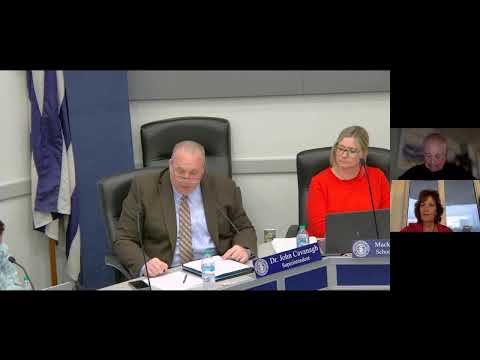
Mill Creek Township School District officials presented the proposed final general fund budget for fiscal year 2026–27 on April 27, showing $127,618,898 in revenues and $128,670,619 in projected expenses and listing proposed tax authorities and rates for public review. Administration said the proposed final budget is available for public inspection at the Mill Creek Education Center and on the district website and that the board will vote to adopt the final budget on May 26 at 7 p.m.
"The 26‑27 general fund budget be approved with revenues in the amount of $127,618,898 and expenses in the amount of $128,670,619," the administration summarized when presenting the proposal. The document also specified tax-authority rates under the Public School Code and Act 511 levies; the district posted the proposed budget at 3740 West 26th Street in Erie and online for the statutorily required inspection period.
Board members immediately pressed administration on several items they said would affect the district’s ability to reach structural balance. A board member asked about the Act 1 index for the coming year; Aaron O'Toole, who presented the finance reports, said the district’s locally adjusted Act 1 index is 4.3 percent for 2026–27. "It just, the way that the Act 1 index is calculated…ours was adjusted by 0.3% from what the state average inflationary rate was," O'Toole said.
Board members also questioned whether the budget assumes Chestnut Hill renovation debt immediately. O'Toole said the district has budgeted to cover expected debt service in the 2026–27 budget through capital-project transfers and health-care savings, but the actual debt issuance will not occur immediately. "We have to issue the debt first, which won't come—I mean, we're a year away," he said, adding that issuance requires a board resolution and Department of Community and Economic Development approval.
Discussion touched on local tax options as well. One board member asked whether mechanical device (coin‑operated/video) machines could be captured under the district’s Act 511 authority; staff explained the governor's budget includes a statewide approach to taxing gambling-style machines and recommended contacting legislators rather than pursuing unilateral local action.
Administration cautioned that multi‑year forecasting is uncertain because of volatile health‑care costs and special‑education enrollment, both of which significantly affect expenditures. O'Toole said staff would prepare scenarios and a road map showing how many years and what measures — including revenue and expenditure options — would be required to restore structural balance.
The board did not adopt the final budget at the April 27 meeting; it scheduled a final adoption vote for May 26 at 7 p.m. at the Mill Creek Education Center and asked administration to return with clearer one‑ and two‑year forecasts and the assumptions behind them.
Provenance: Topic introduced SEG 477; discussion and Q&A continue through SEG 847.