Get Full Government Meeting Transcripts, Videos, & Alerts Forever!
Get email alerts on the Budget topic
No spam. Unsubscribe anytime.
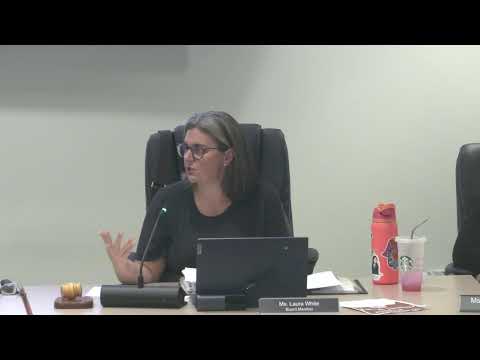
Perkiomen Valley board adopts 2026–27 general fund budget after debate over costs and energy risks
Summary
The Perkiomen Valley School District board approved the 2026–27 general fund budget after finance chair Mr. Weaver outlined revenue adjustments, $2.1 million in expenditure reductions and a recommended 3.5% tax rate; board members flagged energy-price risk and long-term capital needs.
Perkiomen Valley School District trustees voted to adopt the 2026–27 general fund budget in a voice vote after a presentation from Finance Committee chair Mr. Weaver.
“We feel comfortable to add $347,000 to our overall revenue stream,” Mr. Weaver told the board, summarizing updates from Berkheimer estimates and a package of cost reductions that he said reduced expenditures by about $2.1 million. He recommended a working tax-rate figure of 3.5 percent for the coming year.
Weaver outlined the main changes that produced the savings: removal of roughly $1.4 million in salaries tied to the early retirement incentive plan, targeted software reductions of about $100,000 and other expenditure adjustments. He presented a $141,000,006.15 projected expenditure total and described the 3.5 percent figure as a step in the multi-month budget process.
When asked what a 3.5 percent rate would mean for taxpayers, Weaver said, “if we approve the recommended action tonight at 3.5%, that means a $243 annual increase in our tax.” He added an alternate breakdown saying the figure is roughly $20.32 per month for an average assessed value, while cautioning that those figures reflect district averages.
Board members pressed administration on energy costs and capital planning during the discussion. Mr. Weaver said the district is monitoring energy markets and exploring ESCO (energy savings company) projects and possible solar grants, but warned of long payback timelines and uncertainty in supply pricing.
The agenda item that moved the budget to a vote was presented by Missus Lofton, seconded by Mr. Leggett; the board answered in the affirmative and the motion carried.
What happens next: administration will continue to refine projections, monitor state funding and advance feasibility studies for longer-term capital projects. The board also directed staff to bring back follow-up budget materials and additional detail on energy and bond financing as part of the continued planning process.