Get Full Government Meeting Transcripts, Videos, & Alerts Forever!
Get email alerts on the Peak Comment topic
No spam. Unsubscribe anytime.
Tennessee board backs comment letter urging PEAK exposure-draft clarity on independence and transparency
Summary
The Tennessee State Board of Accountancy approved staff's draft comment letter on the AICPA PEAK exposure draft, urging stronger emphasis on independence (fact and appearance), continuous monitoring expectations, and transparency of APS/ownership structures.
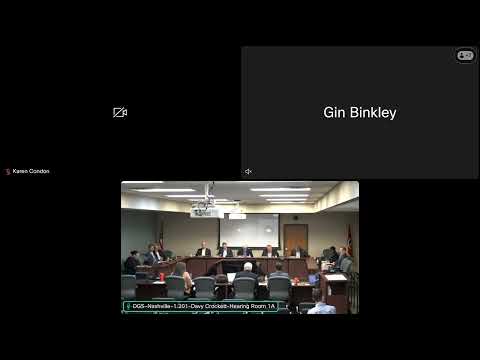
The Tennessee State Board of Accountancy voted May 5 to submit a comment letter in response to the AICPA27s PEAK exposure draft and related materials, echoing concerns that the draft lacks sufficient emphasis on independence, monitoring, and public disclosure.
Executive Director Jen Binkley presented a draft that highlights four central points: independence in fact and appearance, the complexity of structural permissibility, the need for some continuous monitoring requirement, and robust disclosure to users of attest reports. "There is a concern from the regulatory community that independence in appearance is not addressed within the exposure draft or at least not enough emphasis is placed on it," Binkley said, and she recommended the board approve the letter for submission.
Board members discussed coordination with NASBA and noted that many jurisdictions, including NASBA, were preparing comments; the board adopted the letter by roll call vote. The draft asks for clearer expectations so CPAs can assess risks in complex investor or private-equity-owned structures and so regulators can investigate and adjudicate any independence failures when allegations arise.
The approved letter recommends that firms using alternative practice structures provide clear transparency to clients and other stakeholders about ownership, investor roles and the relationships between attest and non-attest entities. Binkley told the board that some items in the exposure draft, such as paragraph 59, suggest members are not required to monitor for relationships absent knowledge or reason to believe threats exist; staff asked for stronger expectations consistent with regulatory oversight.
The submission aligns with comments NASBA encouraged state boards to make and is intended to contribute to a coordinated regulatory response.