Get Full Government Meeting Transcripts, Videos, & Alerts Forever!
Get email alerts on the Fire Options topic
No spam. Unsubscribe anytime.
Heated debate over fire-service options pits volunteer autonomy against unified career model
Summary
Speakers split over two charter options for fire services: Option 1 would remove rural volunteer fire districts from the consolidated charter and allow autonomy under state law; Option 2 would create a unified model that retains volunteers but centralizes command and training.
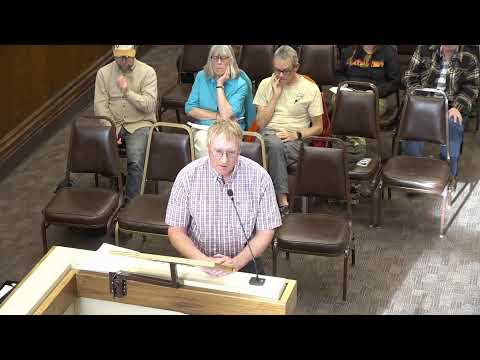
Public commenters at the Butte-Silver Bow hearing offered sharply different views on two charter options for fire services that could reshape who is responsible for emergency response and how it is funded.
Supporters of Option 2, including active career firefighters, said a unified model with one chain of command and consistent training standards would improve accountability, coordination and public safety. Jay Canley, a firefighter, said Option 2 "would give the fire service the ability to create a unified fire structure that is built on a solid foundation" and noted volunteers currently make up about 7% of call volume.
Opponents and some volunteer advocates favored Option 1, which would remove volunteer rural fire districts from the consolidated charter and let them function autonomously under state law. Karen Sargent of the Silver Bow Fire Council asked that Option 1 be reworded to clarify that rural districts would operate under state statutes and raised concerns about asset ownership, funding transparency, and whether a claimed $250,000 in consolidated funds reaching nine rural districts is verifiable. Dan Olson, a former commissioner, argued that Option 1 aligns with how 55 of 56 Montana counties operate and urged the commission to change the charter to conform with state law.
Speakers warned of legal and financial risks on both sides. Riley Hash cautioned that assigning full legal responsibility to volunteers under Option 1 could expose them to personal liability and litigation. Austin Perry, a firefighter employed by the Butte-Silver Bow Fire Department, disputed claims that the director planned to annex volunteer districts; he said the industrial area known as "Montana Connections" is not inside a volunteer district and proposed including that area in the uniform fire fund so large industrial taxpayers contribute to system-wide protections.
Other points included questions about DNRC wildland fire fees versus rural fire district taxes (Karen Sargent), the need for transparent accounting of funds claimed to support rural districts, and the difficulty of recruiting volunteers. Several speakers urged clearer language in the ballot options and for the commission to provide documentation on fiscal impacts and district boundaries before voters decide.
No formal action was taken at the hearing; the public-comment period closed and deliberations were scheduled for May 11.