Get Full Government Meeting Transcripts, Videos, & Alerts Forever!
Get email alerts on the Civic Process topic
No spam. Unsubscribe anytime.
City attorney tells council rules can limit decorum but must avoid viewpoint discrimination
Summary
City legal counsel advised the council that under the Home Rule City Act it may adopt decorum rules for meetings but must avoid viewpoint discrimination; council members debated how Robert's Rules and the charter apply and whether restrictive language in prior resolutions conflicts with legal limits.
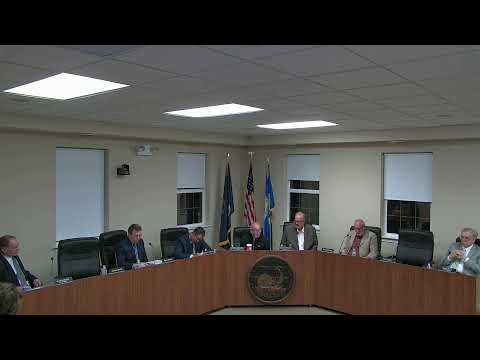
The city attorney told the Walled Lake City Council that it can adopt reasonable rules of decorum for public meetings under the Home Rule City Act but that such rules cannot impose viewpoint-based restrictions that would bar opposing opinions.
"A city council meeting is considered a limited public forum," the attorney said, explaining that the government may impose reasonable restrictions on the content of speech so long as those rules do not discriminate on the basis of viewpoint. The attorney added that rules that prevent an opposing viewpoint from being heard would raise constitutional concerns.
Council members questioned how that legal framework squares with local draft language modeled on Robert's Rules of Order and with a prior council resolution (2017-9) that some members said may overreach. Speakers stressed two competing goals: protecting residents' rights to redress grievances and preventing disruptive personal attacks during public comment.
The attorney said courts have upheld some rules that limit direct exchanges or personal attacks directed at a single official, but emphasized that any limits must be narrowly tailored and that enforcement of rules against false accusations would be legally difficult and reserved for extreme cases.
Council members agreed to revisit the draft resolution and to bring proposed changes back to a future meeting after further legal review and comparison with neighboring communities' policies.