Get Full Government Meeting Transcripts, Videos, & Alerts Forever!
Get email alerts on the Municipal Budget Taxation topic
No spam. Unsubscribe anytime.
Vienna council votes to advertise proposed real-estate tax rate at 19.25 cents after debate over reserve use
Summary
The Vienna Town Council voted unanimously to advertise a proposed real-estate tax rate of 19.25 cents per $100 of assessed value for public notice, directing the clerk to post intent to adopt at the May 18 meeting after discussion of using prior‑year surplus and one‑time funds to fund a quarter‑cent or half‑cent cut.
The Vienna Town Council voted unanimously to advertise a proposed real-estate tax rate of 19.25 cents per $100 of assessed value and directed the town clerk to post a notice of intent to adopt the rate at the council’s May 18 meeting.
Finance Director Stephen Barlow told the council that staff’s usual practice is to advertise the maximum rate council might adopt so it retains the flexibility to lower the rate later. “My recommendation to council is to advertise that full amount, even if there's an intention to lower because you can always advertise the maximum amount and come down from there,” Barlow said.
The bulk of the meeting’s budget discussion centered on how to achieve a tax cut without reducing services. Town Manager (name not specified in the record) and finance staff outlined the option of using prior‑year surplus — the proposed budget assumes roughly $800,000 in unassigned fund balance, and staff said shifting to a $600,000 planned use would still leave Vienna with reserves above recommended practice. The town manager said a quarter‑cent reduction could be covered from fund balance, and that a half‑cent reduction would be possible but that he would not recommend going beyond that level of reserve use.
Council members debated alternatives. Council member Anderson urged staff to model additional options including reallocating some operating items to capital, trimming one‑time wage increases or delaying them briefly, and examining service‑charge changes; he said he would press staff to attempt a further quarter‑cent reduction. “If we can get 200,000 of it just by simply changing the amount that we use from basically the reserve, then I think we owe it to our taxpayers to sharpen our pencils and see if we can get another quarter of a penny,” Anderson said.
Other members raised caution about touching compensation or operational programs. Council member Baldwin said residents deserve a lower rate but warned against cuts that would degrade services and endorsed leaving the advertised rate at a level that staff can manage. Several members also questioned labeling or earmarking inside the proposed budget — notably a $300,000 line that had been described as a placeholder for future work on town‑owned annex property — and asked staff to clarify whether those funds were truly reserved or represent one‑time expenditures that will be extinguished when the fiscal year closes.
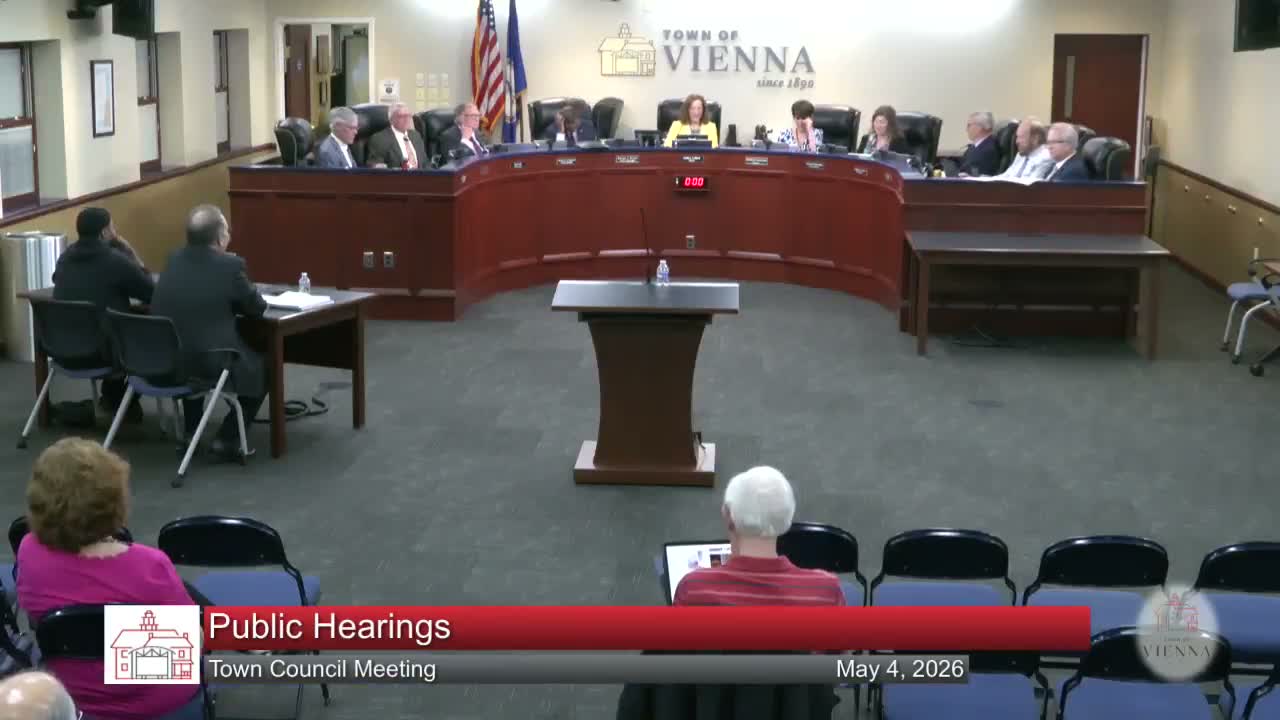
After debate, Council member Nash moved to advertise the proposed real‑estate tax rate at 19.25 cents per $100 of assessed value and to direct the town clerk to advertise the notice of intent to adopt at the May 18 council meeting; the motion passed on a unanimous voice vote.
The council did not adopt a final rate at the meeting; staff indicated they will return with further budget detail and options at upcoming meetings, and the May 18 meeting is scheduled for a final adoption vote.