Get Full Government Meeting Transcripts, Videos, & Alerts Forever!
Get email alerts on the Land Use Sentara South topic
No spam. Unsubscribe anytime.
Loveland council rejects bid to send Sentara South density increase to voters
Summary
Council voted 7-1 to reject a motion to refer an amendment increasing residential units at Sentara South to the November ballot, after legal staff said the change likely flows from a quasi-judicial land-use decision and could expose the city to legal risk.
The Loveland City Council on first consideration voted down a proposal to put a developer-requested increase in residential density at the Sentara South project before voters. The motion, placed on the agenda at the request of resident Robert McKnight and read into the record by the mayor, would have authorized McWinnie Real Estate Services to increase residential units by 519 (a 29.5% increase) and asked whether the city should submit that change to voters under Charter section 15.9.
Proponents during public comment urged the council to let citizens decide. Speaking during the public-comment period, Bob Massaro said the amendment "reduces the City's share of future tax revenue by about 67% over the next 25 years" and urged the council to honor the charter by placing the measure on the ballot.
City Attorney Vince Jungles and several council members said the matter raised legal limits. Jungles told the council that the February land-use action was processed through quasi-judicial channels and that a quasi-judicial decision is generally not subject to a voter referendum; he cautioned that putting the matter to voters could create constitutional and vested-rights exposure for the city. Jungles noted related state statutes and prior judicial analyses, and he said the city had provided private legal advice to council members on risks.
Councilors debated both the community's desire for more voter involvement and the legal constraints. Several members described strong public interest and affirmed the significance of the City's financial stake, including potential impacts to Thompson School District and Larimer County tax shares if density and resulting tax-increment financing calculations change.
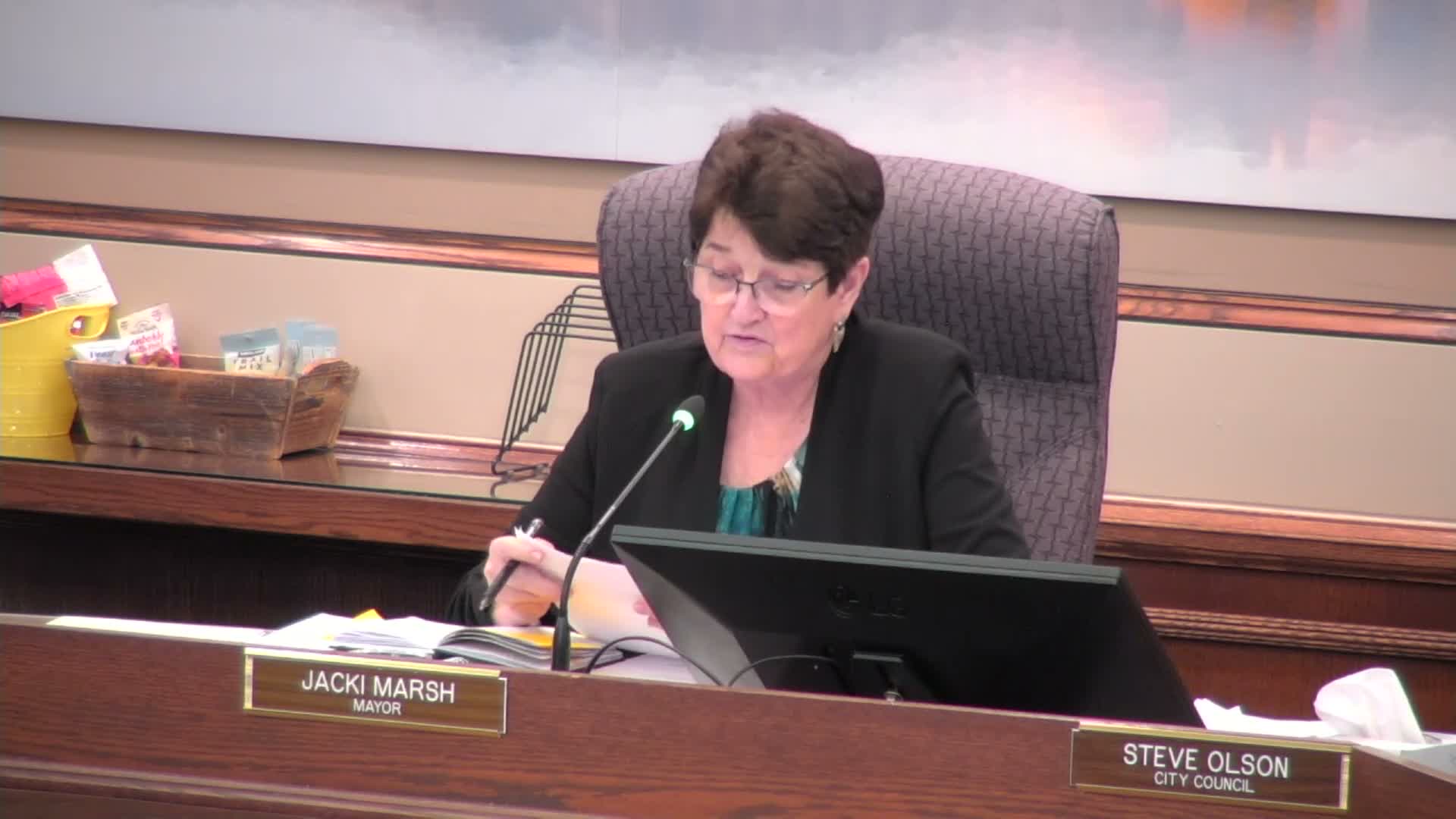
On roll call the motion to refer the increase failed, with Mayor Marsh the lone yes vote and seven councilors voting no.
Next steps: The motion failed on the floor; council members who raised concerns said they expect continued public debate and that any formal amendment to the urban renewal plan or PUD will return to the council for standard land-use consideration.