Get Full Government Meeting Transcripts, Videos, & Alerts Forever!
Get email alerts on the Budget topic
No spam. Unsubscribe anytime.
Bethlehem Central School District presents $119.8M proposed 2026–27 budget; May 19 vote will include bus purchase and Smart Schools Bond spending
Summary
The Bethlehem Central School District board presented a proposed $119.8 million 2026–27 budget, a 2.61% proposed tax-levy increase and ballot items including a $1.6 million bus purchase and $317,000 in Smart Schools Bond Act technology funds; the budget vote is May 19.
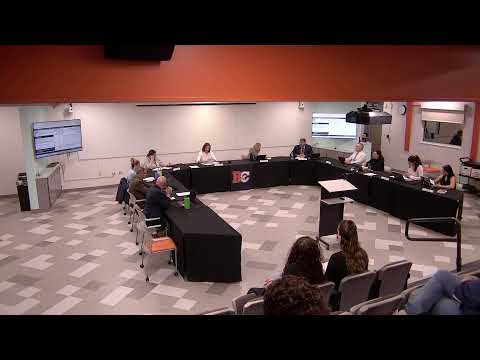
The Bethlehem Central School District presented its proposed 2026–27 budget on May 6, asking voters to consider a roughly $119.8 million spending plan and related ballot propositions at the district vote on Tuesday, May 19.
John, the district budget presenter, told the board the proposal represents about a $3.1 million increase, or roughly 2.7%, over the prior year and that the board adopted the proposed budget on April 1. He framed the request against multi-year cost pressures, saying district expenses have risen about 25% over four years while the state tax-cap law limits the district's allowable levy growth, which the presentation translated into a proposed tax-levy increase of approximately 2.61%.
Why it matters: the budget would pay for recurring costs that are primarily staff-related. The presentation said salaries and fringe benefits account for about three-quarters of spending. The proposal includes roughly $757,000 in additions for safety, operational needs, enrollment-driven positions and program enhancements, and identifies vacancy-driven reductions and other offsets on the spending side.
Ballot items and tax impact: voters will also see a bus purchase proposition for nine 70-passenger diesel buses, a total ballot cost of just over $1.6 million; New York State reimbursement is projected at just under 65% of that cost, leaving an estimated net district impact of about $580,000 spread over the reimbursement period. The district also proposes using $317,000 in Smart Schools Bond Act funds (state grant) for technology upgrades; the presenter described that allocation as budget-neutral because it is fully offset by state grant funding.
Reserves and fund balance: the presentation noted the district has various reserve funds and an undesignated fund balance of about $6.5 million as of March 2026. The district plans to use roughly $1.1 million of fund balance to help balance the 2026–27 proposal, and business-office analysis recommended maintaining an undesignated balance slightly above New York State's 4% guideline to weather temporary pressures.
Next steps: the budget and propositions will be on the ballot May 19, with in-person voting at the high-school gym from 7 a.m. to 9 p.m.; absentee and early-vote procedures and deadlines were reviewed during the presentation. The district will publish final assessment figures after the tentative assessment roll is finalized (final assessment roll due July 1), which could slightly alter tax-rate calculations.
The board also previewed related community events: a Meet the Candidates night on May 13 hosted by the League of Women Voters and the district election on May 19. The board will set final tax rates after the August meeting, once the final assessment roll is available.