Get Full Government Meeting Transcripts, Videos, & Alerts Forever!
Get email alerts on the Elections topic
No spam. Unsubscribe anytime.
Auditor lays out 2026 election calendar: candidate filing, early voting and mail‑ballot details
Summary
Beltrami County Auditor–Treasurer Jody Treat reviewed candidate filing dates (May 19–June 2), the Aug. 11 primary and Nov. 3 general election, new early‑voting windows, and changes to some polling locations including a Ward 1 move.
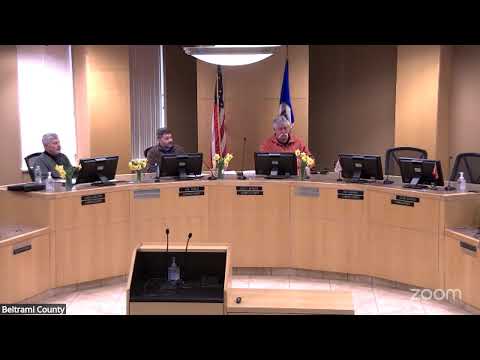
Jody Treat, Beltrami County auditor–treasurer, gave commissioners a general timeline for the 2026 election season and reviewed procedures for filing, early voting and mail‑ballot precincts.
Treat said candidate filing for county offices and other races is open May 19 through June 2 during regular business hours; affidavits of candidacy are available online or at the Auditor–Treasurer's office and can be notarized there. The primary is scheduled for Aug. 11 and the general election for Nov. 3.
Treat explained recent law changes that create a clear distinction between early voting and absentee processing: for the primary, she said early voting will run July 24 through Aug. 10, allowing in‑person voting at the auditor’s office with tabulators that accept ballots immediately; absentee processing will continue as a separate process. For the general, she said early in‑person voting will be available Oct. 16 through Nov. 2 with additional days added by the legislature (Oct. 24; Oct. 31–Nov. 1).
On mail‑ballot precincts, Treat said some smaller townships have voted to convert and that the county outsources mailings (estimated mailing dates were given); the auditor’s office serves as a poll site for mail‑ballot precinct voters who need to register or replace a mailed ballot. She described the process for accepting or rejecting absentee envelopes and a post‑election public audit that includes hand counts of selected precincts.
When a commissioner asked about a Ward 1 polling‑location change and a student senate request for a campus pop‑up site, Treat said she had not been notified of a new campus pop‑up but described how pop‑up locations have worked in prior elections and noted the city had set a Slumberland‑area building as the Ward 1 site; voters in that ward would have been mailed PVC notification cards.