Get Full Government Meeting Transcripts, Videos, & Alerts Forever!
Get email alerts on the Data Center topic
No spam. Unsubscribe anytime.
Residents flood Coachella City Council with opposition to proposed data centers, urge moratorium
Summary
Dozens of residents packed the April 8 Coachella City Council meeting to oppose a proposed data center/technology campus tied to a February agreement with Stronghold Power, citing water use, air pollution and lack of notice and demanding a city moratorium.
Dozens of residents filled the Coachella City Council chamber on April 8 to urge elected officials to halt plans tied to a February agreement with Stronghold Power and to impose a moratorium on new data-center development.
Speakers including James Rodriguez, Jasmine Ibarra and Olivia Rodriguez told the council they had learned about the project almost exclusively through social media and email and described widespread community concern. "All of us here today do not want data centers in the Coachella Valley," said Allison Gifredo, identifying herself as a Coachella Valley resident and urging the council to "exercise its authority by saying no to data centers." James Rodriguez said the city faces long-term obligations and asked the council to present clear, digestible information on costs and community trade-offs.
The public commenters pressed three recurring themes: the project’s local water demands, potential air- and noise-pollution impacts, and a perceived lack of public notice. Multiple speakers cited studies or examples from other regions: Joanne Lamas warned that large data centers can drastically increase local water use and energy demand, citing a website figure for Coachella’s population to argue the scale of potential impact. Natalia Cervantes and others described personal experience with power outages and limited access to clean water and questioned whether a data center’s cooling needs would worsen existing shortages.
Several speakers referenced city action earlier this year. "On February 11, the City approved the Public Private Partnership Agreement…with Stronghold Power," a commenter said, and others repeated claims in the record that the city would pay Stronghold approximately $500,000 to plan, build and operate the utility, while another speaker cited a different figure for phase-1 funding as reported in the meeting packet. Those statements were presented as claims by community members and were not disputed or confirmed in the meeting record.
Residents demanded increased transparency and a formal pause while the city conducts broader outreach. "We shouldn't be asked or subjugated to live under these conditions when we already have other problems," Araceli Hernandez said. Multiple commenters called for a city moratorium on data-center approvals and more accessible public engagement formats, including in-person workshops and materials in Spanish.
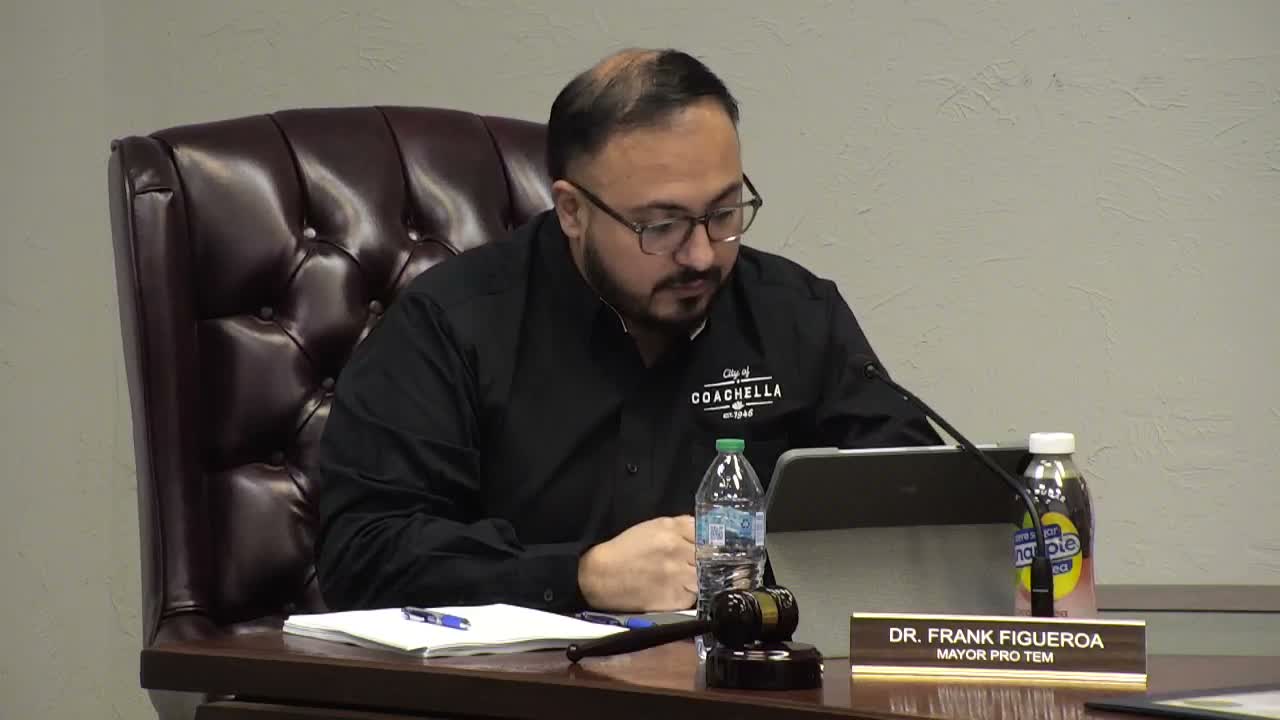
Council members acknowledged the turnout and the request for more public engagement; staff said the letters submitted to the clerk (106 written communications) would be included in the official record. The council did not take a policy vote on the data-center proposal at the April 8 meeting. Instead, councilmembers asked staff to prepare a study-session-style public forum so the community can review the record and discuss next steps at a future meeting.
Next steps: the council directed staff to return with a plan for public outreach and a study session; no formal moratorium or project approval occurred at the meeting.