Get Full Government Meeting Transcripts, Videos, & Alerts Forever!
Get email alerts on the City Budget topic
No spam. Unsubscribe anytime.
Coachella midyear budget shows modest general‑fund gap; water and sanitary funds face larger shortfalls
Summary
Finance Director Bill Lincoln reported a midyear update showing the general fund near break‑even with a modest operating shortfall, while water and sanitary district funds face larger deficits tied to capital transfers and delayed projects; staff outlined steps to finalize the FY27 budget.
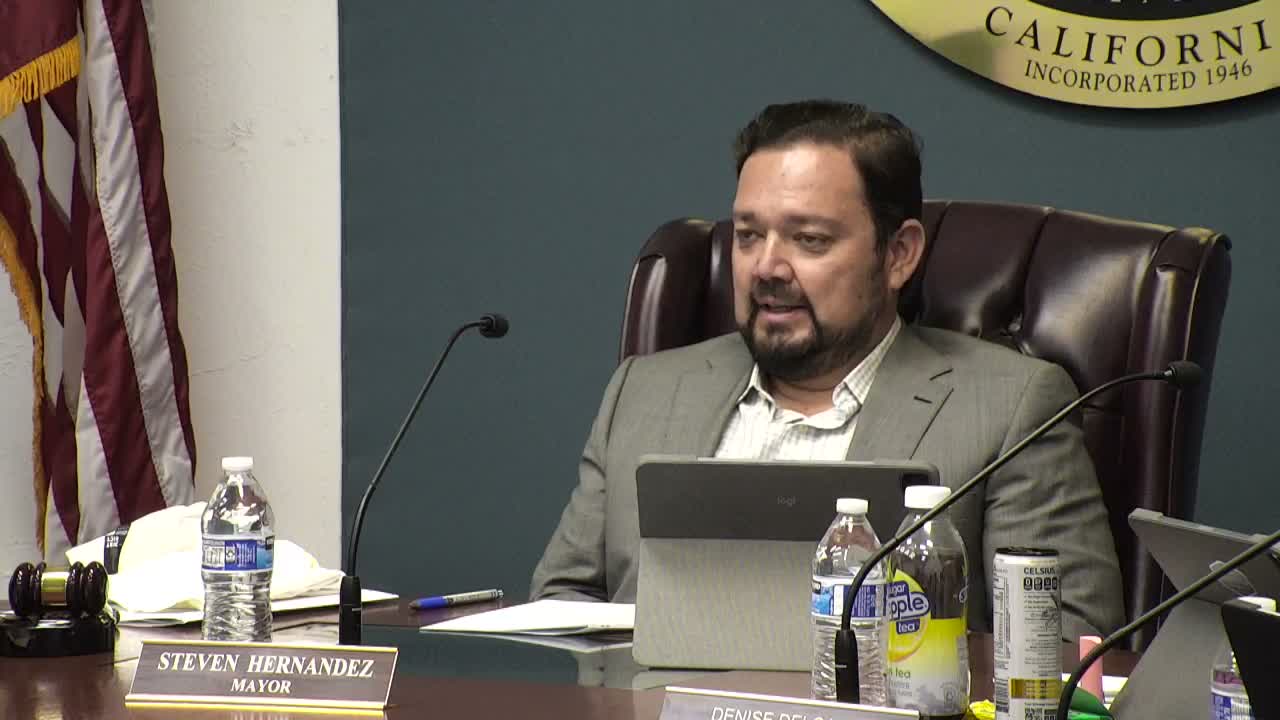
Finance Director Bill Lincoln presented the city’s midyear budget update to the Coachella City Council on March 11, highlighting a modest general‑fund operating loss in the midyear presentation and larger deficits in enterprise funds driven by capital timing.
"Our midyear budget is showing the general fund with an operating net loss of about $191,000," Lincoln said, noting that timing differences, delayed capital expenditures and one‑time items complicate year‑to‑date comparisons. The water utility is projecting a larger operational shortfall driven by higher sales and capital transfers; the sanitary district is also facing pressure tied to planned capital work.
Lincoln pointed to a $2 million general‑fund contribution for Avenue 52 (recorded as a one‑time capital expenditure) and a set of one‑time reimbursements from OES that improved near‑term results. He told the council the city’s unaudited reserves were roughly $16 million in the most recent financial statements.
Council members asked about recurring versus one‑time revenues and whether the budget relied on one‑time items (such as an OES reimbursement and prior cannabis tax remittances) to balance near‑term results. Lincoln acknowledged the risk of relying on one‑time receipts and recommended options to close persistent gaps, including evaluating overtime drivers in public safety and considering limited staff additions to reduce overtime costs.
What happens next: departments will submit FY27 requests and the manager’s office will present a proposed budget for council feedback in April, with adoption targeted for late May or early June. Staff emphasized that enterprise fund shortfalls (water, sewer, sanitary) will require close attention in the next budget cycle and will be considered alongside the rate‑study outcomes.