Get Full Government Meeting Transcripts, Videos, & Alerts Forever!
Get email alerts on the Zoning Museums IL topic
No spam. Unsubscribe anytime.
Committee tables citywide proposal to allow museums as-of-right in light-industrial zones after mixed testimony
Summary
The New Haven Legislation Committee paused consideration of a citywide text amendment that would permit museums, libraries and art galleries as-of-right in light-industrial (IL) zones after public testimony highlighted youth benefits and concerns about tax revenue and loss of industrial space.
The New Haven Legislation Committee paused consideration of a proposal to allow museums and similar cultural uses as‑of‑right in light‑industrial (IL) zones, following more than an hour of public testimony that included both strong support from cultural advocates and sharp cautions from property owners.
Proponents told the committee such a change would expand access to cultural programming for neighborhood schools and families. "Lawson New Haven is more than a museum. It's a cultural hub," said Albert Eden, who identified himself as an aquatics manager and urged the panel to support the change as a way to reach young people. Eden said the institution serves "over 2,000 young people" and offers field trips and youth programs that place cultural learning within walking distance of several schools.
The supporters argued that permitting cultural uses as‑of‑right would lower barriers for nonprofits and artists seeking affordable space in older industrial buildings and that site‑plan reviews and parking or other special exceptions would still let the city address local impacts.
Opponents, including several building owners and business tenants, said a blanket, citywide allowance could reduce the municipal tax base and displace active industrial and distribution businesses. "We're in a housing‑affordability crisis," a resident who opposed the petition testified, saying the timing merited caution and a comprehensive approach. Property owner Nina Bender told the committee her tenant is "currently expanding by 20,000 square feet," and warned that sweeping changes could force tax‑paying businesses out of the city.
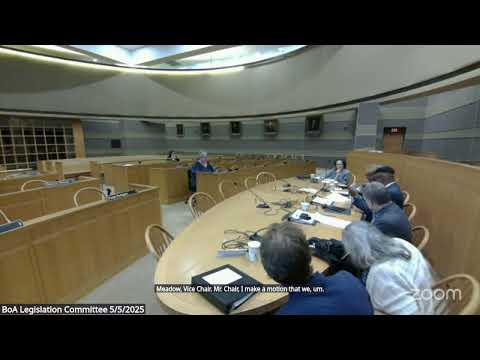
Committee members said the decision requires neighborhood‑level context. Several alderpersons asked staff for maps and parcel‑level detail before any citywide reclassification. "We need more information on item 1," the chair said during deliberations, asking staff and City Plan to provide additional analysis.
After discussion, the committee voted to pause further action and revisit the proposal with additional neighborhood data and a staff briefing. The committee chair and vice chair emphasized the committee's intention to avoid changing the code for a single organization; proponents noted that the applicant currently has a variance in place but asked that the zoning change be considered as a long‑term way to expand cultural access.
The committee will reconvene the item once staff provide the requested maps and impact analysis.