Get Full Government Meeting Transcripts, Videos, & Alerts Forever!
Get email alerts on the SB802 topic
No spam. Unsubscribe anytime.
Rancho Cordova signals conditional neutrality on SB 802 pending amendments to protect local control
Summary
City staff outlined SB 802's plan to create a countywide Sacramento Area Housing and Homelessness Agency (SAHA) and centralize many housing and homelessness funds; the council supported a neutral position provided carve‑outs preserving local funding remain in the bill.
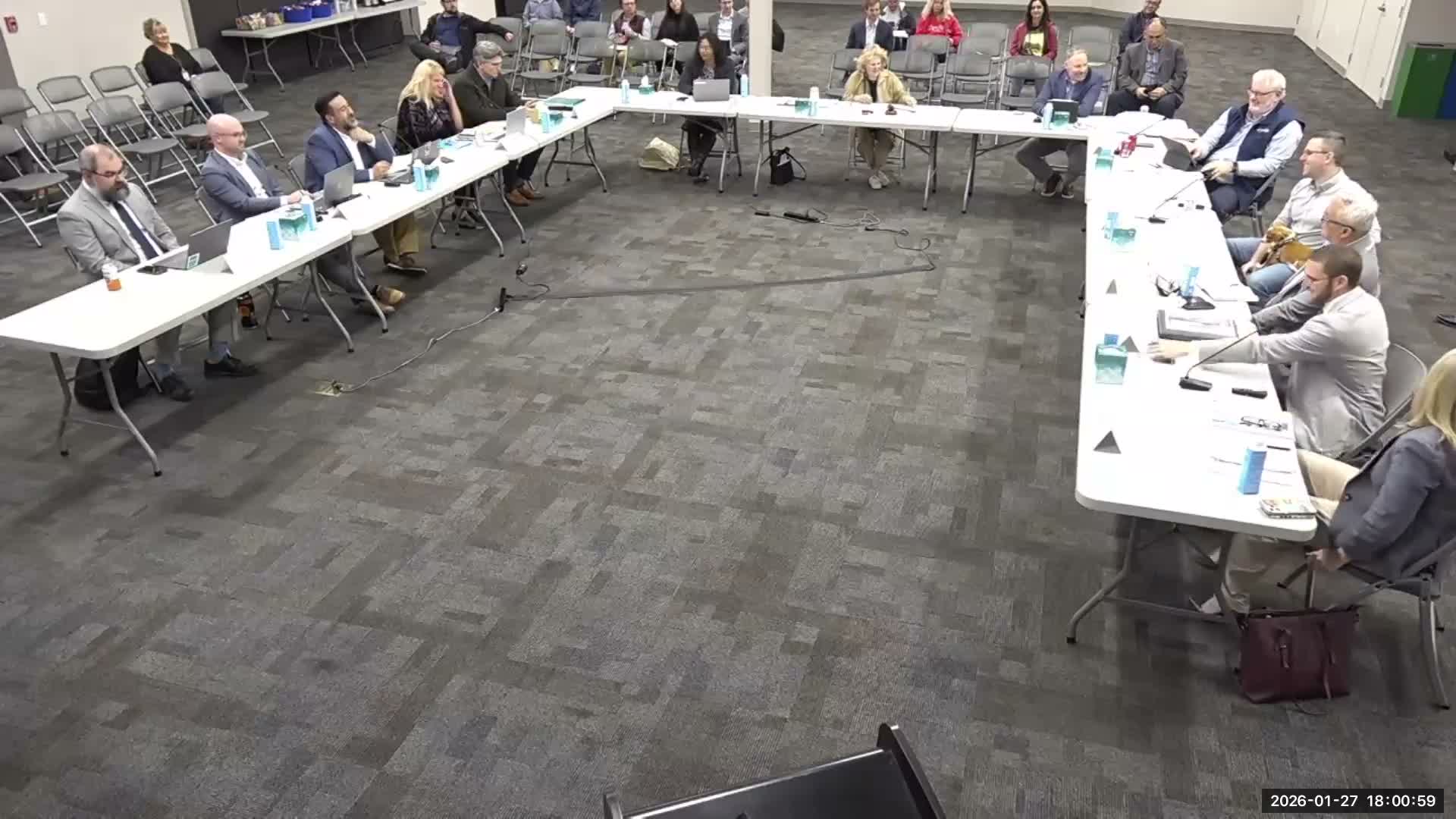
The Rancho Cordova City Council on Wednesday signaled informal support for a staff recommendation to take a neutral position on Senate Bill 802 — provided recent amendments that preserve certain local funding and clarify future funding control remain in the bill.
Why it matters: SB 802, as described by city staff, would create a countywide joint powers authority called the Sacramento Area Housing and Homelessness Agency (SAHA) to oversee many affordable housing and homelessness programs. The draft language would replace the Sacramento Housing and Redevelopment Agency as the housing authority and give SAHA priority consideration for state housing and homelessness funds, raising questions about future local control.
Stefan Heisler, Rancho Cordova's housing manager, summarized the bill's provisions and said the draft includes seat allocations (three county seats, three Sacramento City seats, two for Elk Grove, and one each initially for Citrus Heights, Folsom and Rancho Cordova). Heisler said the county and city staffs have been negotiating carve‑outs to preserve some local funding sources for suburban jurisdictions and flagged three outstanding clarity points: control of future funding sources, the scope of priority consideration for SAHA for state funds, and whether local jurisdictions could apply directly for state programs without JPA approval.
Staff recommendation and council response
City staff recommended that the council adopt a neutral position contingent on the amended language that preserves local funding sources. Several council members indicated neutrality is effectively a wait‑and‑see approach and asked staff to return with a full analysis of the most recent amendment text released the day before the meeting. Some members asked staff to be authorized to oppose the bill if the protective amendments are removed.
No formal vote was taken; the council reached an informal consensus to remain neutral so long as the carve‑outs and clarifying language remain in the bill.
What's next: Staff will closely analyze the amended bill text, monitor further amendments, and return to the council with recommended formal action if conditions change.