Get Full Government Meeting Transcripts, Videos, & Alerts Forever!
Get email alerts on the Sb1 Equity Supplement topic
No spam. Unsubscribe anytime.
California Transportation Commission seeks feedback on SB‑1 community engagement criteria and equity supplement
Summary
At a CTC SB‑1 workshop staff outlined proposed updates to community engagement evaluation criteria and an expanded SB‑1 Transportation Equity Supplement, invited written comments by the first week of May, and answered questions on categorical exemptions, tribal engagement and anti‑displacement resources.
The California Transportation Commission asked agencies and partners for written feedback on proposed changes to the SB‑1 community engagement evaluation criteria and the SB‑1 Transportation Equity Supplement during a virtual workshop.
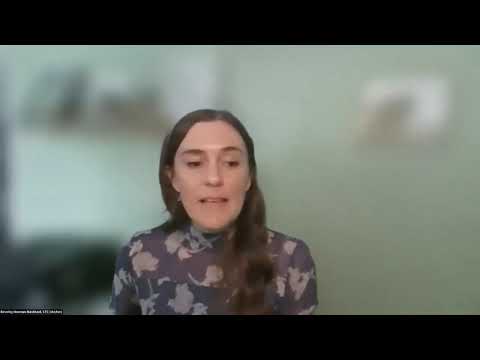
Beverly Newman Burkhart, the commission staff member coordinating equity and community engagement updates for the SB‑1 programs, said the commission seeks input on four engagement subcriteria — identification, engagement, outcomes and impacts — and proposed new questions that would ask applicants to describe collaboration with community‑based organizations and efforts to identify and deliver targeted community benefits such as community benefits agreements or advisory committees.
Matthew Yosgott, deputy director for SB‑1 programming at the California Transportation Commission, told attendees that subject matter experts from the Interagency Equity Advisory Committee (EAC) will evaluate community engagement portions of every application and that staff will present draft guidelines to the commission in June with final guidelines expected for adoption in August. He reminded applicants that SB‑1 program cycles will include two fiscal years of funding and that application materials and timelines will follow after guidelines are adopted; staff said applications likely will be due just before Thanksgiving and that staff recommendations are scheduled for summer 2027.
During a public exchange, Sona Babayama of Los Angeles County Metropolitan Transportation Authority asked how projects that qualify for categorical exemptions — and therefore do not undergo a project‑specific environmental review — can show meaningful outreach. Beverly Newman Burkhart responded that applicants can demonstrate how projects were developed through larger planning efforts (for example, regional transportation plans) or existing agency engagement programs; Matthew Yosgott said applicants that can show projects were co‑developed with communities will score well and encouraged agencies to document existing engagement strategies.
Staff also reviewed the equity supplement’s example indicators and resources. The document lists multiple screening tools (Caltrans EQI, CalEnviroScreen, Healthy Places Index and regional definitions) and allows applicants to submit supporting documentation when those tools do not capture a target population. Staff announced a proposed new tribal resources section and pointed to Assembly Bill 52 (Gatto, Chapter 532, Statutes of 2014) as the CEQA consultation requirement for tribal cultural resources.
On equity benefits, staff proposed adding parks and open space and clarifying that applicants should document long‑term congestion relief when asserting travel‑time improvements as community benefits. When asked whether SB‑1 funds can pay for community artwork, staff said standalone artwork is not eligible but that artwork integrated into eligible transportation infrastructure (for example, design elements on a pedestrian or bicycle overcrossing) can be funded.
Staff invited written comments and edits and asked that suggestions be submitted by the first week of May so they can be considered before the commission finalizes the equity supplement and engagement criteria.