Get Full Government Meeting Transcripts, Videos, & Alerts Forever!
Get email alerts on the Building Permits topic
No spam. Unsubscribe anytime.
DPW proposes permit digitization but flags recruitment, interagency delays for performance-based budgeting
Summary
DPW told senators a digital permitting prototype could speed status visibility and turnaround, but officials said recruitment gaps and interagency bottlenecks (EPA, land management, SHPO) limit permit throughput and must be reflected in KPIs for performance-based budgeting.
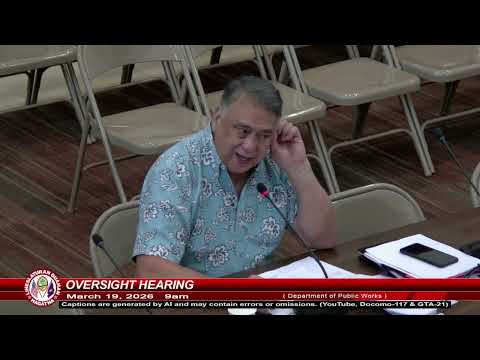
Director Vince Areola told the committee that DPW's building-permit division currently operates with about 10 DPW staff and that DPW has identified permit-related KPIs (internal review time, permit turnaround and backlog rate). He said DPW's internal review for many single-family and small commercial permits typically takes about five to seven working days, but the overall permit timeline often lengthens because other agencies must review applications.
Areola described a digital permitting prototype that would give owners, contractors and agencies real-time visibility of a permit's status and noted prior procurement problems: the department issued an IFB for an electronic permitting system, received two proposals, awarded one, and that award was protested and later "died" in review at the Attorney General's office or GSA. DPW is considering rebidding or building the system internally in partnership with the Bureau of Planning and Statistics.
Why it matters: senators stressed that accurate PBB metrics require separating DPW-controlled review time from external-agency time. Vice Chair Senator Duenas asked DPW to break down the percentage of delays DPW controls versus those that are external, and Areola agreed to provide that split for the budget presentation.
Staffing and recruitment: Areola said DPW is budgeted for vacant permit positions but struggles to recruit skilled engineers and inspectors because starting salaries are not competitive with military employers and utilities; he said many entry-level engineers accept higher private-sector offers. Senator Trelahi urged DPW to take the recruitment concerns to the Department of Administration and to prepare an evidence package for salary adjustments.
Other operational notes: Areola said elevator inspections, occupancy permits and business-license inspections are part of the permit division's KPIs and that the division has improved since COVID because of internal training. He also told the committee DPW plans to provide more detailed KPIs and staffing analyses at the formal budget hearing.
Next steps: DPW will present a refined KPI matrix that separates internal DPW review metrics from external-agency delays, will advise whether it will rebid or develop the permitting software internally and will include recruitment/retention proposals to the DOA where appropriate.