Get Full Government Meeting Transcripts, Videos, & Alerts Forever!
Get email alerts on the Elections topic
No spam. Unsubscribe anytime.
Public outcry and legal questions follow council’s removal of election-board chair; council members defend process
Summary
Dozens of residents criticized the county’s recent action to remove the election-board chair, alleging inadequate notice and inconsistency in standards; councilmembers argued the meeting process and legal guidance supported their actions and said they would continue to engage with concerns.
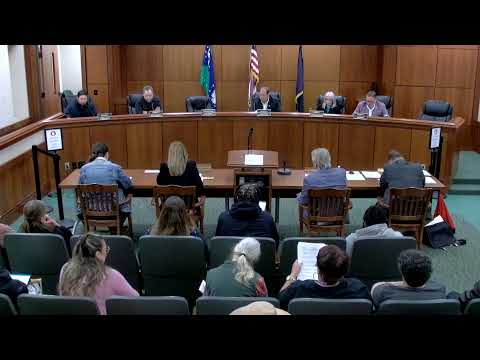
A broad swath of public commenters at the Erie County Council meeting urged the body to explain and reverse its recent action to remove the election-board chair, saying the special meeting was called with inadequate notice and appeared politically motivated.
“Normal procedures weren't followed,” said Sam Tallarico, chairman of the Erie County Democratic Party, recounting the board action he described as a “grotesque error in judgment” and urging council to reconsider and reinstate Mister Wirtz. Tallarico said the public received “very little” information after the executive session and characterized the 4–3 vote as having produced “permanent suspicion.”
Multiple speakers echoed concerns about transparency and cited national reporting about local election officials who have questioned 2020 results. Margaret Watts summarized a national report and asked why similar public statements by another council member had not been held to the same standard as the reasons cited for removing Wirtz.
Councilman Copeland defended the process to the assembled public, arguing the board of elections is a separate legal entity with shared membership and that the county’s Home Rule Charter and administrative code provide limited guidance for calling special meetings. Copeland argued that the actions at last Thursday’s meeting and the executive session raised Sunshine Law concerns and said the law exists to prevent precisely “events like these.” He also cited federal case law addressing sudden leadership changes as relevant to the removal question.
Citizens raised specific process concerns: short public notice (one day), whether the council chair had authority to call a special meeting of the board of elections, the use of executive session to deliberate on a vote, and whether Robert’s Rules or the administrative code govern removal of leadership.
Council members said they would continue to engage with legal counsel and the public to address concerns; no final reversal of the removal was recorded at this meeting.