Get Full Government Meeting Transcripts, Videos, & Alerts Forever!
Get email alerts on the Enrollment Forecasting topic
No spam. Unsubscribe anytime.
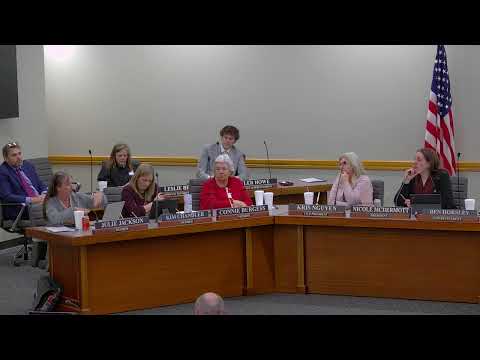
Granite board confronts steep enrollment drop and weighs comprehensive consultant study
Summary
Facing a projected 4% drop in enrollment next year and roughly 8,000 fewer students by 2030, the Granite School District board discussed hiring outside consultants for enrollment forecasting, community engagement and building assessments and agreed to open an RFQ process after spring break.
Granite School District trustees spent the meeting’s longest block reviewing updated enrollment projections and debating whether to hire an outside consultant to recommend boundary, consolidation and facility actions.
Staff presented district projections showing an approximate 4.1% decline next year (about 2,000 students) and a projected drop of roughly 8,000 students by 2030. Steve, the district planning staffer presenting the analysis, said the decline reflects falling birth rates and broader demographic trends and cautioned that retaining students through marketing alone likely will not reverse the trend. "We are being realistic about the next decade: neighborhoods are maturing and the numbers are down," he said.
Board members raised two central concerns: (1) the need for independent, defensible data to address public skepticism about past studies; and (2) the operational and equity impacts of any closures or consolidations, including busing, program placement and how the district would retain students. Trustees repeatedly asked staff to show where students went after prior closures and to produce retention data; staff said that work is in progress and expected by late summer but that the larger ALC and DLI program reviews would report in the fall.
Consultant cost estimates presented to the board varied widely by scope. Staff reported first-time enrollment forecasting typically runs $80,000–$100,000; district‑level community engagement and facilitation could be $300,000–$500,000 or more depending on scope; comprehensive packages including building assessments and extensive public engagement could reach into the high six figures or above. The superintendent and trustees discussed options to limit cost by providing existing FCI and MGT data for consultants to use rather than redoing every building assessment.
Trustees coalesced around a plan to form an RFQ committee after spring break to scope an independent, comprehensive study that would include enrollment forecasting, targeted community engagement, and a plan for how building condition and capacity data would inform recommendations. Multiple trustees stressed the study must produce actionable recommendations—heat‑map style analyses showing where students live and which school placements best preserve enrollment—so any proposed closures or consolidations would be strategic rather than ad hoc. "If we hire someone, ask them for a recommendation—not just data," one trustee said.
The board did not take a formal vote to authorize a consultant contract at the meeting but directed staff to prepare an RFQ timeline, start retention-data work, and return with options for vendor scope and price. Staff said a comprehensive districtwide study realistically could take most of 2027 to complete; trustees requested frequent budget and timeline updates and asked staff to seek ways to expedite deliverables without sacrificing rigor.
Next steps: staff will assemble an RFQ committee after spring break, deliver retention/where-did-they-go data by late summer, and present the scope and proposed consultant options for board consideration in the months that follow.