Get Full Government Meeting Transcripts, Videos, & Alerts Forever!
Get email alerts on the Animal Control topic
No spam. Unsubscribe anytime.
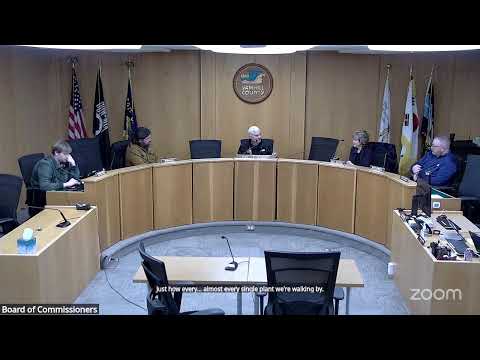
Yamhill County moves toward bringing dog control back in‑house, board reviews budget seed money
Summary
After years of outsourcing, county staff and the sheriff recommended returning dog control to county management with a proposed FY‑27 seed of about $130,000 and use of contracted kennels; board signaled consensus to proceed and staff will prepare budget and code amendments.
County staff and Sheriff Elliot told commissioners on March 26 that a decentralized, outsourced dog‑control model has proven unsustainable and proposed bringing the program back in‑house starting with one full‑time dog control officer, part‑time clerical help and continuing to rely on contracted kennels rather than building a county facility.
Staff said Homewardbound (licensing) and the county’s kennel contract with Newberg Animal Shelter expire at the end of the fiscal year in June, making an implementation date of July 1 realistic if budget and code changes are approved. Ken (county staff) and the sheriff described prior reductions in licensing revenue and the complexity of reviving compliance; the staff proposal includes about $130,000 in seed funding for start‑up costs and to cover initial kenneling obligations while licensing compliance improves.
Sheriff Elliot warned of current year shortfalls and cited a single August 2025 animal‑neglect case that required kenneling 11 dogs at a contracted provider and cost the sheriff’s office more than $50,000. Commissioners discussed options for one‑time seed funding from general fund discretionary, economic development or landfill reserve funds; board members expressed support for a central program and directed staff to proceed with budget documents and county code amendments.
Ken said staff will prepare proposed budget materials for the budget committee, draft code changes to reverse prior ordinance language used when outsourcing, and return with more detailed numbers; commissioners agreed to continue refining the plan before formal adoption.