Get Full Government Meeting Transcripts, Videos, & Alerts Forever!
Get email alerts on the Mega Site Data Center topic
No spam. Unsubscribe anytime.
Mount Orab residents press council over "mega site" NDAs and possible data center; seek moratorium and more public information
Summary
Hundreds of residents urged Mount Orab officials for more transparency at a special meeting about a proposed "mega site," pressing questions about nondisclosure agreements, recent zoning changes and whether any environmental or impact studies exist; village attorneys said no applications or approvals have been filed and explained how NDAs interact with Ohio public‑records law.
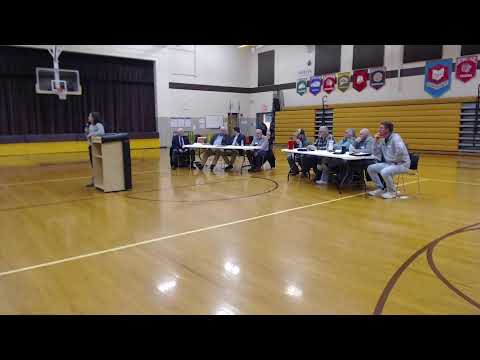
Dozens of residents packed a special meeting in Mount Orab to press elected officials and outside consultants for details about a proposed "mega site"—and whether it could become a large data center that they say would affect water, air and quality of life.
Brody Connolly, an attorney advising the village and the port/authority, spent the meeting explaining how nondisclosure agreements (NDAs) are used early in development talks and how they relate to state public‑records law. "Just because you own property doesn't mean that you don't have to get the approvals that you need," Connolly said, stressing that zoning, environmental permits and any incentive packages must be sought in public processes and approved in open meetings.
The attorney and a municipal consultant, identified only as Paul, described the standard regulatory path for a large commercial or industrial proposal: annexation history (the site was annexed in 2006), zoning review and possible site‑plan approvals, traffic and lighting studies, stormwater and utility capacity assessments, and separate approvals if a tax‑increment financing (TIF) or other incentive were proposed. Paul said communities commonly require third‑party studies and impose design standards and easements as part of that public review.
Residents asked pointed questions about notice, records and timeline. Several speakers said they had not seen timely notice of the November 2024 zoning updates that added a high‑tech overlay for parts of the area; one asked that the village "revert back to its original format" and cited a desire to start the record over. Asked whether the village could say definitively that a data center is proposed, officials repeatedly said they had no application on file and therefore had no studies or technical reports to produce for the public yet. "None of that has occurred, so nothing has been approved," Connolly said.
Multiple public commenters urged the council to require or publish independent impact studies before approvals. One resident summarized research they had collected and cited studies they said show rises in local electricity bills and wastewater‑discharge concerns near large data installations, then asked: "Who did the impact studies? Were they made public? Were they independently verified?" That commenter urged routine well and soil testing as a community precaution.
Other speakers pressed specifics about incentives and the public cost of infrastructure upgrades. The village attorney said that if a TIF or other incentive were proposed it would come before council in public and that state law requires notice and, in many cases, school‑district involvement depending on the TIF term and exemption rate.
Community members pressed for procedural remedies: a petition with more than a hundred signatures was presented asking the council to introduce a resolution imposing a 12‑month moratorium on data‑center approvals so the public could study potential impacts and design local oversight. No formal motion was made and the council did not vote at the meeting.
Throughout the session, residents argued the process felt opaque—pointing to NDAs signed by various local actors and to perceived gaps in public notice—while officials urged residents to use formal public‑records requests and to await applications, which would trigger predictable public hearings. The meeting closed with council leaders thanking residents for attending and saying any future approvals or incentive packages would be considered in public sessions.