Get Full Government Meeting Transcripts, Videos, & Alerts Forever!
High‑Speed Rail Authority Defends 2026 Business Plan as Lawmakers Press for Financing Details
Summary
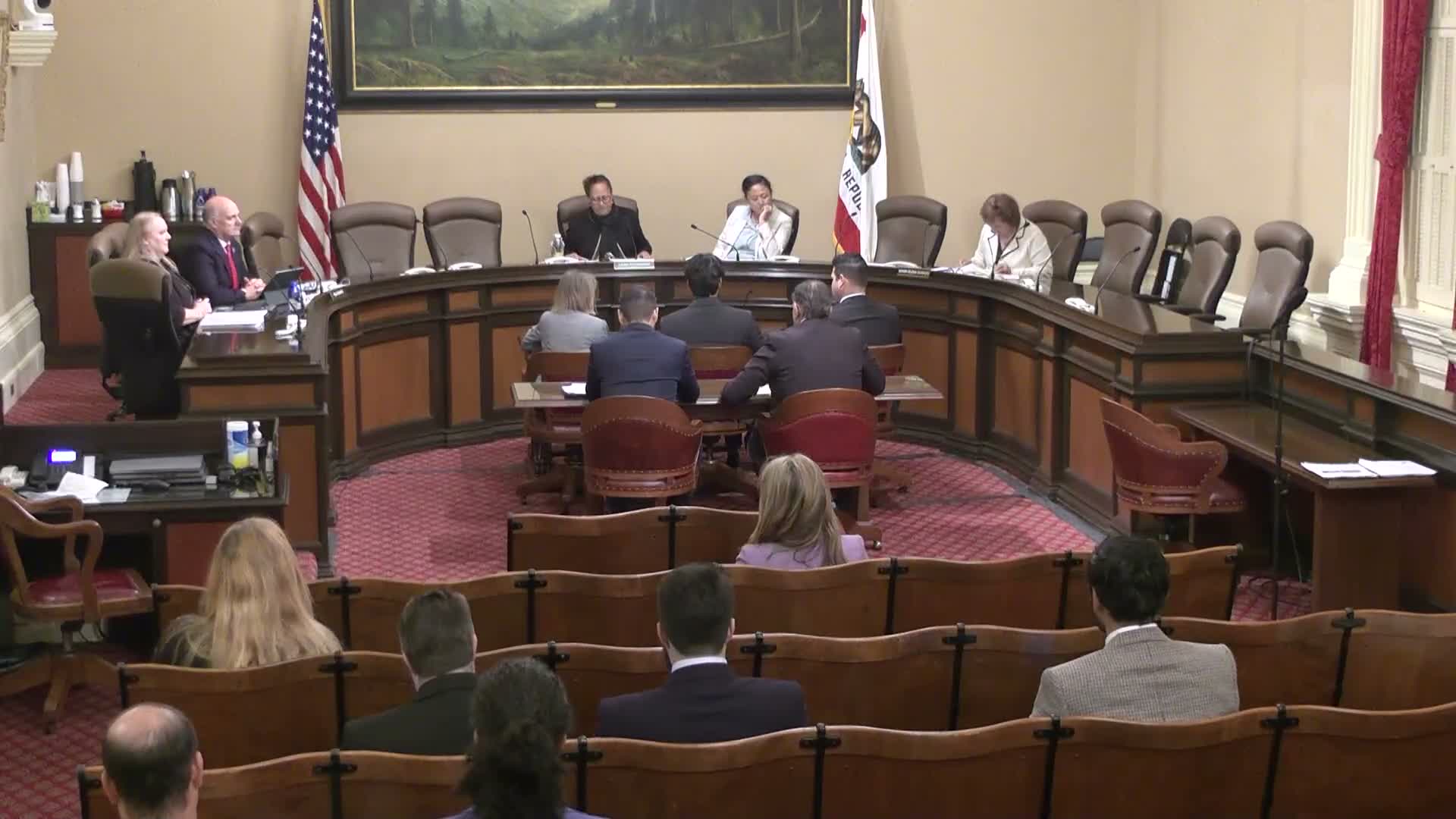
At a California State Senate Budget Subcommittee hearing, the California High‑Speed Rail Authority presented its 2026 draft business plan and reappropriation requests while the Legislative Analyst’s Office warned of funding gaps, GGRF uncertainty and missing statutory items; members pressed for timelines and oversight of proposed public‑private partnerships.
SACRAMENTO — The California High‑Speed Rail Authority on Monday told a Senate budget subcommittee that construction in the Central Valley is progressing and that a revised business plan contains tens of billions in cost‑saving measures, but lawmakers and the Legislative Analyst’s Office pressed the authority for clearer financing details and oversight provisions.
Ian Choudhury, chief executive officer of the California High‑Speed Rail Authority, told the Senate Budget Subcommittee No. 5 that crews have completed 59 of 92 major structures and about 80 of 119 miles in the Central Valley, that utility relocations are 93% finished and that track laying and electrification are slated to begin by the end of the year to support an early operating segment from Merced to Bakersfield in 2032–33. "We have completed 59 of 92 major structures and 80 of the 119 miles," Choudhury said, noting design optimizations that the authority says have produced more than $14 billion in Central Valley savings and reduced capital costs for the Merced–Bakersfield early operating segment to $35.6 billion.
Why it matters: The hearing focused on whether the authority’s funding assumptions and statutory proposals are sufficient to meet the authority’s schedule and avoid leaving the state on the hook for additional borrowing. The Legislative Analyst’s Office cautioned that some authority estimates…
Already have an account? Log in
Subscribe to keep reading
Unlock the rest of this article — and every article on Citizen Portal.
- Unlimited articles
- AI-powered breakdowns of topics, speakers, decisions, and budgets
- Instant alerts when your location has a new meeting
- Follow topics and more locations
- 1,000 AI Insights / month, plus AI Chat