Get Full Government Meeting Transcripts, Videos, & Alerts Forever!
Get email alerts on the Education Vocational Training topic
No spam. Unsubscribe anytime.
SD U-46 program gives 18- to 22-year-olds daily paid vocational training in school-run diner
Summary
SD U-46’s SWAB transition program provides students aged 18–22 with daily vocational training in a student-run diner, classroom supports (banking, budgeting, social skills) and community outings designed to prepare them for paid work and independent living after leaving the program.
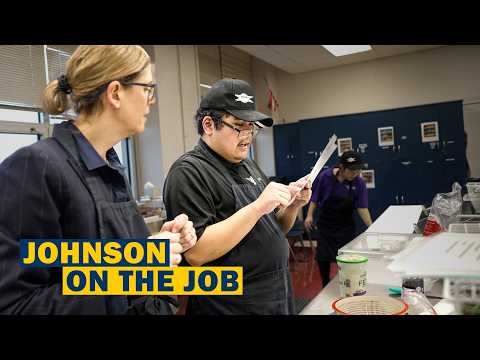
Suzanne Johnson, superintendent of SD U-46, opened a visit to the district’s SWAB (Secondary Work Experience) transition program by describing its purpose: to give students ages 18 to 22 hands-on job skills and life skills they can use after they leave the school system.
The program pairs daily vocational training in a full, student-run diner with classroom instruction on budgeting, planning and social skills. “Our program is 1 of, I believe, 9 in the district,” Johnson said, noting the diner operates as a running business where students train every day.
A program staff member described SWAB as a transition program for students who have finished high school in the district or who enroll from outside it, emphasizing the program’s focus on practical independence. “We use the piece of schedules to plan out where are we going today, what are we gonna do when we get there,” the staff member said, describing routines that combine classroom planning with work tasks.
Students rotate through the diner for hands-on food-preparation work under staff supervision. During a brief demonstration, a student said, “This is most of my third day,” while staff walked through steps from taking a bagel to the grill to wrapping items for service, illustrating incremental skill-building and on-the-job coaching.
Program operations include inventory and weekly ordering from Gordon Food Services; staff said teachers perform both instructional and operational roles to keep the diner running and to create accommodations and job supports for students who need them.
Classroom elements reinforce the diner training. Staff described classroom-based bank accounts and weekly budgeting exercises intended to help students manage paychecks and trip expenses, plus social work and speech groups. A teacher described frequent community outings for experiential learning — riding the PACE bus, practicing street crossing, and visiting local employers including Elgin Sweeper and the U46 food distribution warehouse — and said students practice interviewing and job-application skills.
The teacher added that students receive paychecks from diner work and use their earnings on trips and for personal expenses; staff framed that as part of preparing students to live more independently after turning 22.
Johnson closed by thanking staff for their efforts and reiterating the program’s goal of helping students become independent and successful after they leave SWAB.