Get Full Government Meeting Transcripts, Videos, & Alerts Forever!
Get email alerts on the Social Media topic
No spam. Unsubscribe anytime.
McAlester council reviews social media strategy and legal limits on moderating government accounts
Summary
A staff presentation urged using social media for transparency and customer service and promoted the McAlester Connect app's 48-hour response goal; the city attorney warned that a 2023 Supreme Court decision can attach the First Amendment to government-run social pages and urged caution on comment moderation.
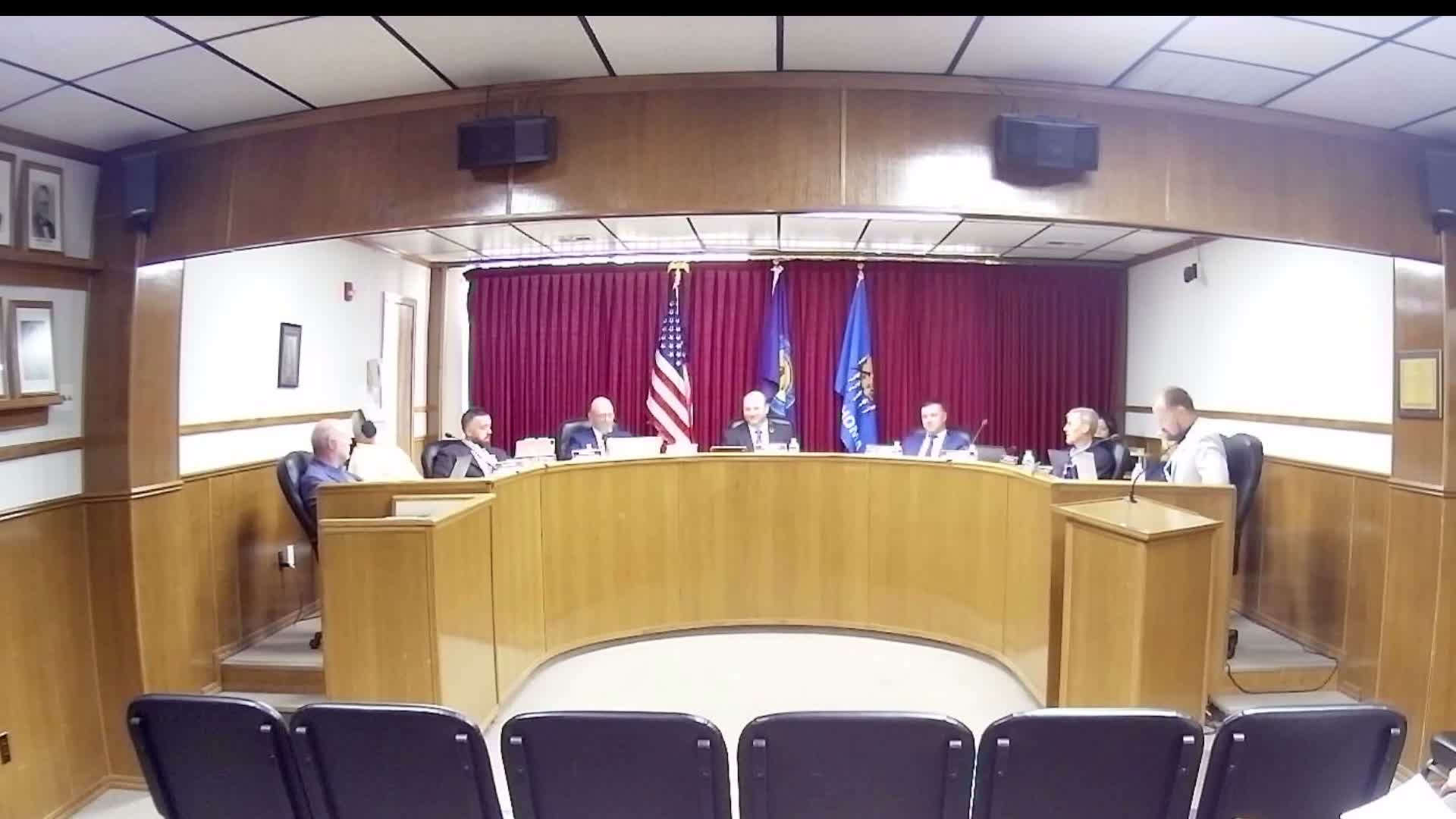
The McAlester City Council heard a staff presentation on social media best practices and moderation, emphasizing the city’s mobile reporting tool and the need for a consistent, coordinated communications approach.
The city’s communications presenter framed social media as a "digital town square" and said posts should prioritize transparency, trust and service: "Social media is a great tool for building trust," she said, and urged council members to direct residents to the McAlester Connect app when they want city services. The presenter described MacAlester Connect as the route for service requests and said, "Once it hits the app, we have 48 hours." (The transcript uses several spellings for the app and the city; this article standardizes to "McAlester Connect" for clarity.)
Councilors discussed practical issues including which platforms the city uses (Facebook, Instagram, the city website), how departmental pages are handled, and whether the app includes categories needed to log complaints such as dilapidated properties. The presenter said department pages exist for parks, tourism and utilities and recommended cross-training so multiple staff can manage accounts and respond timely.
On moderation, staff said they rarely delete comments but will ban bots and repeat offenders; they use automatic filters for profanity and rely on professional, factual responses. Council members asked about the legal parameters for removing content. The city attorney cautioned that recent case law limits municipal ability to censor political speech on government-run platforms, saying "the First Amendment attaches to a government run social media website." He warned that only narrow categories of speech (for example, true fighting words) are defensibly removable and advised that treating the city page as a "bulletin board" (no comments allowed) is one legally defensible option; allowing comments on some posts but not others creates legal risk.
The council also raised privacy and public-record questions for complaint reporters. Staff and code personnel said code complaints are official and therefore could be subject to public-record requests, even if the city typically does not voluntarily disclose complainant names. Councilors asked for clarity about whether complainant contact information is safeguarded.
Members discussed how nondisclosure agreements (NDAs) and executive sessions interact with council awareness of confidential business prospects; the attorney said executive session is the appropriate tool for confidential briefings and that each NDA should be reviewed to determine whether elected officials can be informed. Council asked staff to coordinate with counsel to ensure the council is put in the loop when allowed.
What happens next: staff will coordinate with counsel to draft clearer social media guidance and to determine whether the council wants a policy of no comments (bulletin board) or an open‑comments approach with minimized moderation. The council did not adopt a formal policy at this meeting.