Get Full Government Meeting Transcripts, Videos, & Alerts Forever!
Get email alerts on the Pensions Public Safety topic
No spam. Unsubscribe anytime.
Committee hears cost estimates to extend public-safety retirement bridge; members urge budget context before decision
Summary
Alderman Scott Warner presented estimates for extending the public-safety TCRS bridge benefit; staff said the current cost is about $90,000 annually, a 65% step would be roughly $98,000, and a higher (75%) step could cost about $125,000 a year; committee members stressed reviewing the change in the full budget before July 1 because two retirements are imminent.
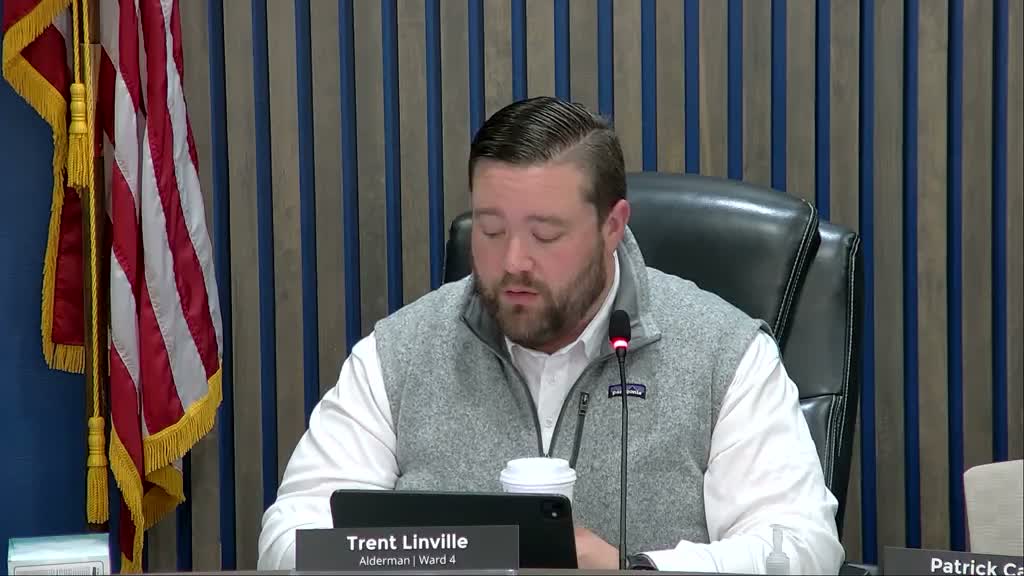
Alderman Scott Warner updated the Budget & Finance Committee on May 4 about a proposed change to the TCRS bridge program that would allow public-safety employees greater flexibility in collecting a bridge supplement up to age 67, and he provided rough annual cost estimates.
"Currently, the cost of the program as of today is $90,000 a year. If we went to 65%, it would go up to around $98,000 ... near the 75 it's a little more hard to to decipher, but around the $125,000 a year range for that," Alderman Warner said, outlining the additional annual cost ranges the committee asked the mayor to examine previously.
Nick Colazar explained the change would allow officers and firefighters who are forced out at age 60 to collect the bridge payment for an extended period (opening the window so some who would have seen the benefit sunset at 62 could collect through 67 under state changes). "It just opens that window if they wanna collect from 60 to 67 instead of having it sunset at 62," Colazar said, adding the extension is designed to give public-safety employees more flexibility in retirement timing while maximizing benefit usage.
Committee speakers expressed general support for the public-safety benefit but emphasized fiscal caution. One member said the proposal is worthwhile but that he could not recommend it without seeing the change in the context of the entire budget. Committee members also flagged a timing issue: two public-safety employees are retiring this year and, if an adoption does not occur before July 1 and the fiscal year rules apply, those retirees would receive the older (two-year) bridge rather than the extended benefit. That timing makes consideration of the change more urgent in the short term.
The committee asked staff to present the bridge options and the estimated budget impacts in the context of the full FY2026 budget before making a formal recommendation to the board.