Get Full Government Meeting Transcripts, Videos, & Alerts Forever!
Get email alerts on the Appointments topic
No spam. Unsubscribe anytime.
Council fills Zoning Board of Adjustment seats after procedural debate
Summary
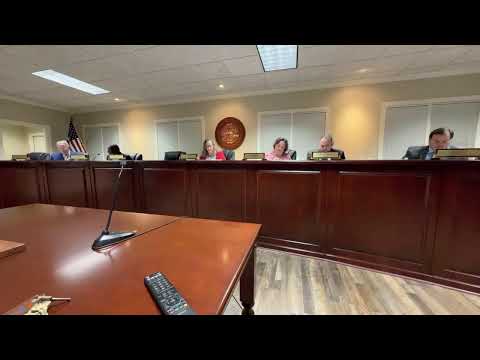
By unanimous consent the council considered Resolution 26-20 to appoint members to the City of Clay Zoning Board of Adjustment; councilors debated whether each appointment required individual nomination and a supermajority, then nominated candidates, recorded abstentions for conflicts and filled regular and supernumerary slots.
The Clay City Council moved by unanimous consent to consider Resolution 26-20, a resolution appointing members to the City of Clay Zoning Board of Adjustment, and then engaged in an extended procedural debate about how nominations should proceed.
Councilors questioned whether appointments required individual nominations and whether a supermajority of the full council was required for BZA appointments. City legal counsel (speaker 8) advised that the supermajority provision applied to statutory officers (clerk, treasurer, etc.) but, in the counsel’s opinion, did not apply to BZA appointments and that a majority of council members present could act.
Following that guidance the council proceeded with nominations. Nominations, seconds, and roll-call votes were recorded for several regular and supernumerary positions. Several councilors abstained from votes where a personal relationship created a conflict of interest: one councilor abstained on a nomination for his mother and another noted a long acquaintance and likewise abstained. After individual roll-call votes, the mayor noted the nominated candidates who had been selected and invited appointees in the audience to stand.
The council did not reverse the legal opinion given at the meeting; instead members adopted the nominations as presented and filled the board’s slots during the session. The transcript does not reflect any subsequent public hearing associated with the appointments during this meeting.
The procedural exchange highlighted the council’s desire to ensure nominations are heard individually and to avoid the appearance of voting en bloc on appointment lists.