Get Full Government Meeting Transcripts, Videos, & Alerts Forever!
Get email alerts on the Ems Staffing And Capital topic
No spam. Unsubscribe anytime.
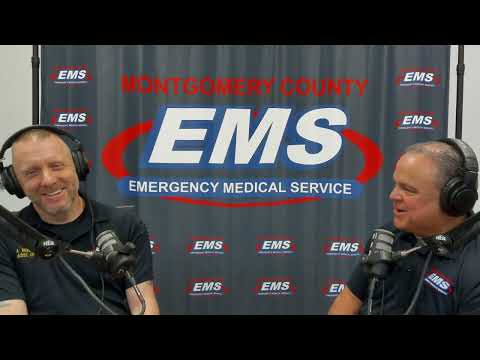
Montgomery County EMS chief details staffing, 12‑hour shift plan and new Station 28
Summary
Chief Brian McNeely said Montgomery County EMS is asking the county for 11 field positions and two education officers to stabilize coverage as it shifts busy units from 24‑ to 12‑hour schedules; he also described a new three‑bay Station 28 under construction on Spring Street.
Chief Brian McNeely described a package of near‑term staffing and capital priorities for Montgomery County emergency medical services, including requests he said the department has made during upcoming budget hearings.
“We're asking for 11 field staff to just simply keep up with that, to keep this the shifts staffed at par,” McNeely said, framing the hires as necessary to maintain current coverage and to convert high‑demand 24‑hour units to 12‑hour shifts for safety.
McNeely said the department also seeks two additional education officers to expand the training division that supports roughly 150 road staff. “As big as we are, one person just can't do it,” he said of training needs.
On shift changes, McNeely said, “our vision as a department is continuing the transition to 12 hour shifts,” arguing 12‑hour schedules will improve crew and patient safety on the county’s busiest trucks. He said the initial conversions will target trucks that account for more than 10 percent of call volume.
McNeely described a capital project to replace the aging unit known as Station 28: the department secured land at the former animal‑control site on Spring Street and is constructing a three‑bay station designed to house two ambulances and a supervisor. He said site work is underway and that footers for the bays may be dug soon.
The chief identified a separate personnel proposal to create a first‑ever medical‑legal death investigator position to handle death‑scene work and reduce pressure on field crews, calling the role “needed” for the department’s future workload.
McNeely emphasized the department’s long‑range view: building training capacity, improving staff safety and modernizing facilities are interlinked goals to sustain service as call volume grows.
The podcast did not include formal budget vote results; McNeely said the requests are in budget hearings and may return in future county deliberations.