Get Full Government Meeting Transcripts, Videos, & Alerts Forever!
Get email alerts on the Procurement Cards topic
No spam. Unsubscribe anytime.
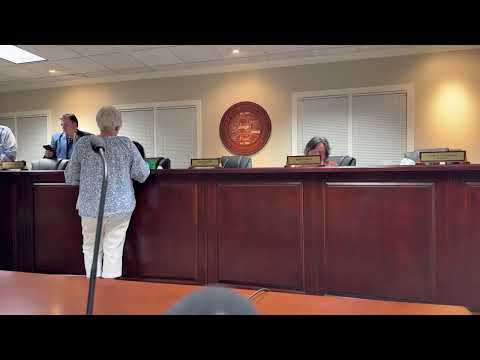
Clay council approves procurement-card program after debate over limits and oversight
Summary
After lengthy debate about risk and oversight, the City of Clay Council approved Resolution 26-34 to issue procurement cards to designated employees, adding limits for the library director and assistant and agreeing to monitor usage over the coming year.
At a City of Clay council meeting, members voted to approve Resolution 26-34, establishing procurement cards for designated city employees and setting individual card limits after a contentious discussion about aggregate exposure and controls.
Supporters said digital cards would streamline purchasing and reduce the administrative burden of signature-required checks; one member noted cards trigger instant alerts when charges are made, and staff described a monitoring plan to review usage at six and nine months to establish baseline limits. The council voted to amend the resolution to add a $5,000 monthly limit for the library director and a $2,000 monthly limit for the assistant library director before passing the measure by roll call (one dissenting vote).
Opponents faulted the process for producing limits without prior line-item analysis. A council member raised the scale of exposure, saying, “It’s not Black Friday TV money. It’s $876,000 a year,” and questioned why some cards were proposed with $10,000 monthly limits. Other members argued the limits are appropriate for a small city’s needs and that cards provide a needed ‘‘safety net’’ for travel and urgent purchases.
The finance committee recommended keeping the initial limits in place while staff gathers real usage data. Councilors agreed to revisit the limits after a monitoring period (six and nine months were discussed) and to adjust as needed. The resolution’s passage authorizes immediate issuance under the amended limits and keeps standard budgetary controls in place: charges must be coded to existing budget lines and are subject to existing procurement and budget rules.
The resolution passed in a roll-call vote with Councilor Thompson casting the lone 'No' vote. The council directed staff to report back with usage data and proposed adjustments at future finance committee meetings.