Get Full Government Meeting Transcripts, Videos, & Alerts Forever!
Get email alerts on the Stormwater Utility topic
No spam. Unsubscribe anytime.
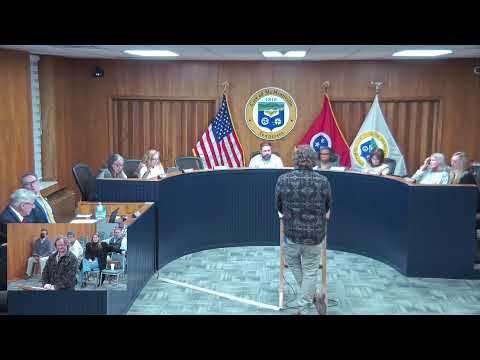
McMinnville council deadlocks on proposed stormwater utility after hours of debate
Summary
After public opposition and a split council debate about fairness, transparency and legal obligations, McMinnville’s proposed ordinance to create a stormwater utility failed a first-reading vote. Residents and some council members urged more review and clearer credit policies.
The McMinnville City Council on May 8 failed to advance an ordinance that would create a dedicated stormwater utility and special revenue fund to pay for stormwater management and federal MS4 compliance.
Supporters argued that a dedicated utility is the only viable, sustainable funding mechanism to meet federal and state regulatory obligations and to allocate costs based on impervious surface impact. “If we are serious about addressing runoff and protecting property, we must provide the tools and funding necessary to do so,” said the council member who advocated for the ordinance (identified in the transcript as the board advocate).
Opponents and public commenters called for more transparency and questioned the fee’s distribution and credit policy. “I am obviously opposed to this fee being added to the stormwater,” said Raven Young during public comment, adding she estimated city properties alone could pay about $33,000 a year under the proposed schedule. Casey Hurtwood presented his own calculations and said the measure “just seems to disproportionately be unfair to commercial industrial, landowners,” estimating a possible $440,000 annual impact citywide based on his top-line calculation.
City staff and other council members responded with legal and operational context. City staff reminded the council that municipalities operating a municipal separate storm sewer system (MS4) must implement stormwater management programs under federal law and that Tennessee statutes authorize municipalities to establish utilities and require fees for compliance. Staff also noted the city already allocates money for MS4 compliance and that enforcement risk — including potential EPA sanctions or private lawsuits — is a factor in seeking a stable funding source.
Council members pressed for clarity on who would pay, how city-owned properties would be handled, and whether the city’s existing public works resources could address some problems without a new utility. The discussion included requests for a published credit policy to reduce fees for property owners who mitigate runoff, and for counsel to review ordinance language line-by-line.
At the conclusion of debate, the motion to adopt the ordinance did not carry in the roll-call vote and the measure failed. The council moved on to other business; staff said the item could return for additional review during the upcoming budget cycle or after further legal review.
Why it matters: A dedicated stormwater utility would create a predictable revenue stream tied to impervious surface impacts, supporters say, permitting long-term compliance with MS4 obligations and targeted infrastructure work. Opponents counter that the fee’s structure and credits need to be more transparent and that the city must consider impacts on businesses and taxpayers before imposing a new charge.
Next steps: The council did not pass the ordinance; members indicated further review and counsel involvement are likely before any new proposal returns to the dais.