Get Full Government Meeting Transcripts, Videos, & Alerts Forever!
Get email alerts on the Advocacy Plan topic
No spam. Unsubscribe anytime.
Seaside Homeless Commission to press city manager on housing goals, Homekey interest and local services
Summary
Commissioners agreed to develop an advocacy plan and to use a February meeting with the city manager to ask focused questions about housing strategy (including Homekey/Homekey Plus), services like lockers and mobile showers, subcommittees, and alignment with the city council’s priorities.
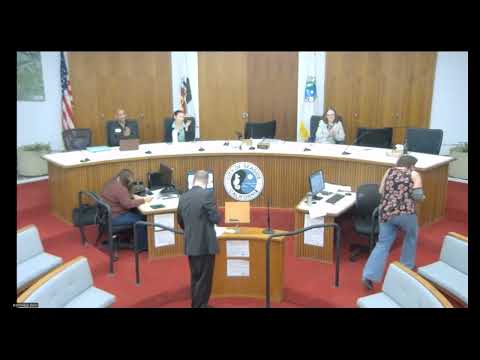
The Seaside Homeless Commission spent most of its Jan. 7 meeting shaping an advocacy plan and preparing to question the city manager about the city’s housing and service priorities.
Staff told the commission the city manager will attend the commission’s February meeting; commissioners agreed the February meeting should focus on a short set of pointed questions so the manager can outline the city’s vision and how the commission might support it. “We want to be prepared so he doesn't just show up and we're like, ‘well, you tell us,’” a staff member said.
Commissioners discussed several possible advocacy planks: prioritizing housing (affordable and emergency), exploring whether Seaside would use Homekey/Homekey Plus to convert older motels into supportive housing, and crafting procedures for handing off city-unsupported projects to community groups. One commissioner urged adding the commission’s mission statement from the annual work plan to the advocacy document so the two stay aligned.
The discussion also covered service-focused proposals: lockers for storing vital documents, periodic mobile shower services (potentially run by local churches), and a centralized resource fair at Laguna Grande Park that could gather dozens of community partners to deliver housing, health and other services. Staff noted the commission already organizes an annual resource fair and could scale similar offerings to reach people who do not routinely access services.
Commissioners debated process: staff recommended each commissioner draft one or two focused questions for the city manager to keep the conversation productive; the commission also discussed forming topic-based subcommittees after the manager’s briefing. Commissioners repeatedly emphasized that advocacy should align with the city council’s mission and requested clearer guidance on whether and how to engage with organizations previously disapproved by the council (a separate letter to the city manager listing seven procedural questions was read aloud during commissioner reports).
No formal policy or ordinance was adopted; commissioners asked staff to confirm how the Feb. meeting will be structured and to circulate any background materials so commissioners can prepare focused questions.