Get Full Government Meeting Transcripts, Videos, & Alerts Forever!
Get email alerts on the Curriculum Textbook Adoption topic
No spam. Unsubscribe anytime.
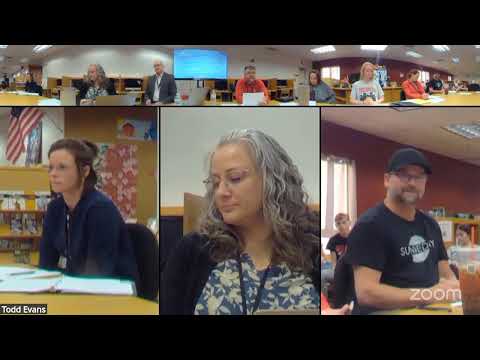
Pawnee City school board weighs two English-textbook bids, advances schedule and routine business
Summary
At its regular meeting, the Pawnee City Public Schools board reviewed two six-year English language arts textbook proposals (CKLA at $58,682 and HMH at $73,652), discussed a proposed 8:00–3:30 schedule for 2026–27, and approved a slate of routine policies, personnel moves and booster-fund transfers.
The Pawnee City Public Schools Board of Education met at 6 p.m. and reviewed two six-year English language arts textbook proposals while acting on several routine items including schedule changes and personnel decisions.
Superintendent Todd Evans told the board the district had narrowed its ELA adoption to two options: CKLA, listed at $58,682 for six years of licensing and consumables, and an HMH package priced at $73,652. Evans said the Nebraska Department of Education will require the DIBELS screener statewide and that DIBELS integrates with the CKLA platform, a factor administrators said aligns assessments and curriculum when considering the adoption.
The textbook proposals drew no formal final vote at the meeting; board members were given costs and alignment information to consider. The superintendent emphasized that pricing included six years of consumables and licensing and that one-time upfront purchasing of consumables can lower total cost over the adoption cycle.
In other academic matters, the board heard a report on scheduling changes for the 2026–27 school year. Administration proposed an 8:00 a.m. start and 3:30 p.m. dismissal to provide greater senior flexibility for work-based learning; the proposal also includes protected instructional blocks for elementary math and ELA and an increase in daily elementary PE to about 25 minutes. The superintendent said changes aim to protect core instruction while preserving duty-free lunch time for teachers.
Administrators also described operational changes: the district is moving activity contracting to a platform called Bound (already used by hundreds of Nebraska districts) and has uploaded more than half of next year’s calendar; spring state testing will begin March 24 with a focus on grades 6–8 and discussion underway about whether to include 10th grade to improve longitudinal data.
The superintendent outlined challenges with a 21st Century Community Learning grant. He said the grant’s requirements (serving at least 55 students, documented family involvement, transportation and specified contact hours) make the program impractical for the district’s size and staffing, and staff recommended against pursuing the grant for summer programming this year.
The board also discussed school meal pricing and the summer food program. Administration stated the district plans to offer congregate meals June 1–July 3 and warned that serving meals only in the cafeteria could reduce participation.
Votes and routine actions at the meeting included unanimous approval of the consent agenda and acceptance of several policy committee recommendations. The board approved personnel recommendations, including hiring Miss Taylor Schaefer as a half-time special education teacher for 2026–27 and accepting with regret the resignation of Miss Jordan Admonson, school psychologist. The board set the last day of classes for students as May 12, 2026, and for teachers as May 14, 2026.
A previously tabled item — transferring $20,358.70 from the high school activity fund to the Pawnee City Athletic Boosters (a newly incorporated 501(c)(3) boosters organization) — was discussed at length and approved. Board members and a boosters representative described the boosters’ incorporation, bylaws that specify where funds would go if the organization dissolves, and steps to preserve separation between fundraising dollars and school-operated funds.
The board approved the superintendent’s evaluation, with some members asking for more substantive written feedback on future reviews, and approved multiple education foundation disbursements including $9,000 for newsletter printing and $5,000 for a helping-hands line. The meeting adjourned after the final votes.
What’s next: Board members were left with materials to review on the two textbook packages and will consider a formal adoption decision at a later meeting.