Get Full Government Meeting Transcripts, Videos, & Alerts Forever!
Get email alerts on the Budget Fy2027 topic
No spam. Unsubscribe anytime.
Waverly council reviews FY2027 budget; staff projects modest net increase and outlines hearing dates
Summary
At a March 23 study session the City of Waverly reviewed final FY2027 numbers: staff reported a net citywide spending increase of roughly $67,000 and presented a tentative property-tax levy of 17.53876. Council set steps for a public hearing in April and discussed state-driven levy changes that will reduce local revenue in fiscal 2029.
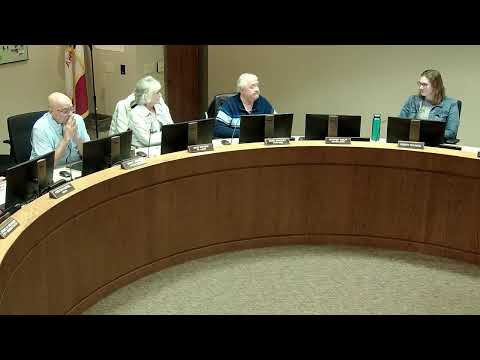
At a March 23 study session, the City Council of the City of Waverly reviewed final figures for the proposed fiscal year 2027 budget and scheduled the next steps in the public hearing process.
Val, a city finance staff member, told the council that insurance numbers came in lower than expected and that the staff is presenting a final property-tax levy figure of 17.53876. "That is the amount that went up the entire budget, $67,000," Val said, summarizing the city's net increase in spending for the coming year.
Why this matters: councilors and staff emphasized that individual property owners' tax bills depend on both the levy and changes in property valuation and rollback calculations. Staff highlighted that a common misunderstanding is to equate the levy number directly to homeowner bills; valuation and state rollback rules change the actual tax outcome.
Details and context: staff explained the city’s total spending increase was roughly $67,000 compared with the prior year. Components include modest increases in benefits and insurance offset by reductions in debt service. Val noted that some levies the city currently receives are scheduled to be removed by the state in fiscal 2029, estimating the city will lose about $100,000 when that change is implemented. "So even with that levy increase of 0.2 because the rollback is so severe, we did some calculations..." the staff said while walking through examples of how rollback and valuation affect tax bills.
The council and staff walked through the budget document structure — audited actuals for 2025, re-estimated numbers for 2026, and the proposed 2027 budget — and answered questions about how to read those columns and what remains under the council’s control. Speakers stressed that many funds are legally capped and that the city can only reduce, not increase, the budget during this stage.
Next steps: the council discussed scheduling the final hearing and indicated they will set a hearing on April 6 and hold the public hearing on April 20 ahead of the final adoption process. Staff said the purpose of the study session was to allow a final opportunity for questions before taking the budget to formal hearing.
The study session provided councilors additional transparency about the drivers of the budget and the limits imposed by state levy rules; councilors praised staff for producing a lean budget while noting multi-year planning will be necessary to prioritize capital projects such as parks and the long-delayed pool.